
Why Thailand is the World's Best Medical Tourism Hub
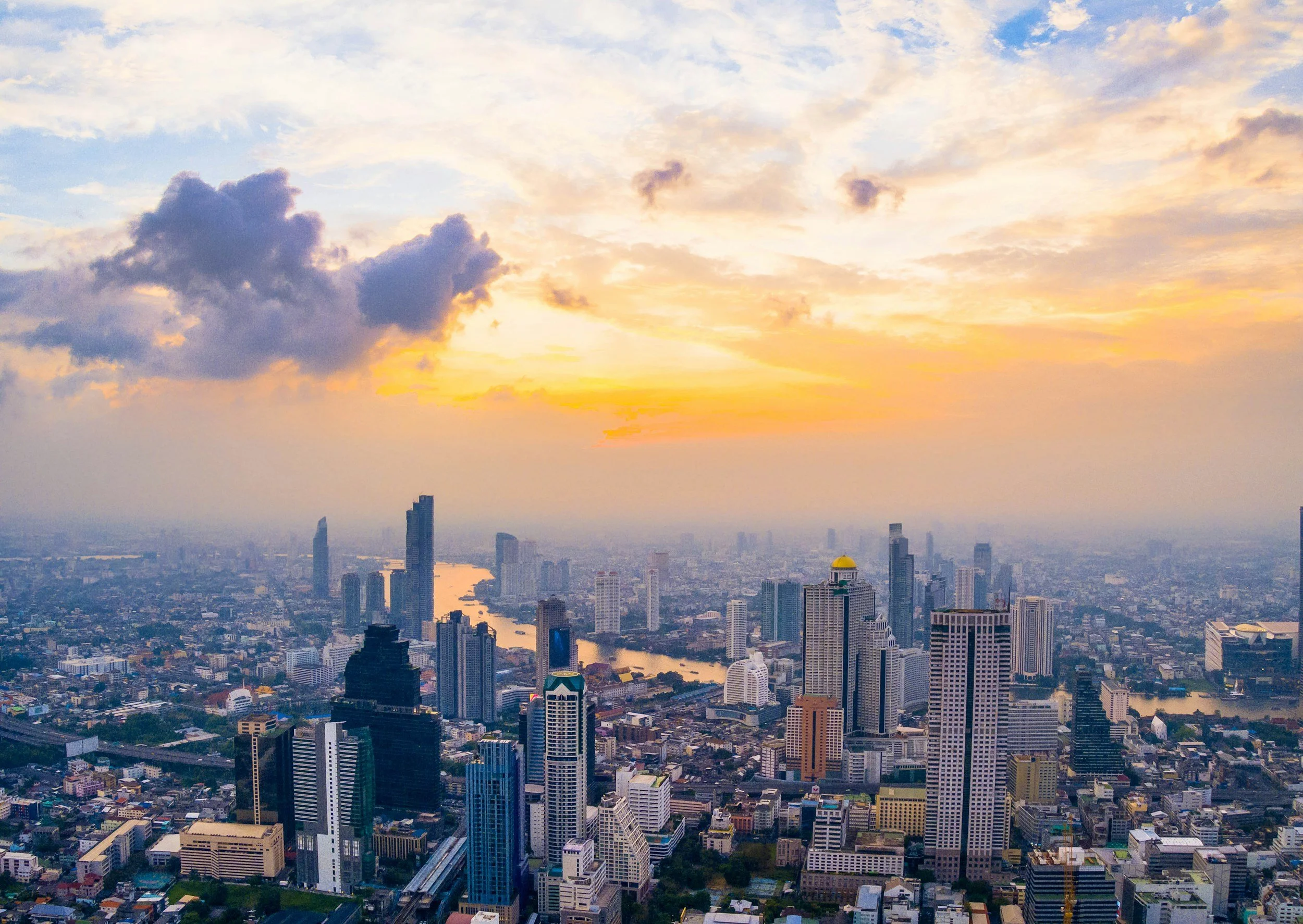
Board-certified surgeons. Transparent pricing. Hospital care that rivals the world's finest — at a fraction of what you'd pay at home.
Every year, over 3.5 million international patients choose Thailand for medical and cosmetic procedures. Australians and New Zealanders are among the fastest-growing groups — and for good reason. This isn't medical tourism of a decade ago. Thailand has built a healthcare system that is genuinely world-class, with infrastructure, credentials, and patient care that rival — and in many cases surpass — what's available back home.
The Surgeons: World-Trained, Board-Certified, Internationally Recognised
The calibre of medical professionals in Thailand is one of the country's most overlooked advantages — until you look closely at the credentials.
Thailand's top cosmetic and reconstructive surgeons don't just train locally. Many have completed fellowships and residencies at prestigious institutions across the United States, United Kingdom, Germany, and Japan before returning home to practise. The result is a generation of surgeons who bring global technique to a Thai surgical theatre.
Board certification in Thailand is governed by the Medical Council of Thailand and specialty boards including the Royal College of Surgeons of Thailand — rigorous bodies whose standards parallel those of the Australian Medical Board and the UK's General Medical Council. Many Thai surgeons also hold dual certification or active membership with international bodies.
Board-Certified (MCT)
ISAPS Member Surgeons
USA / UK / EU Fellowship TrainedRoyal College of Surgeons Thailand
JCI-Credentialled Facilities
28+ Average years of experience among leading cosmetic surgeons
ISAPS
International Society of Aesthetic Plastic Surgery — Thailand is a member nation
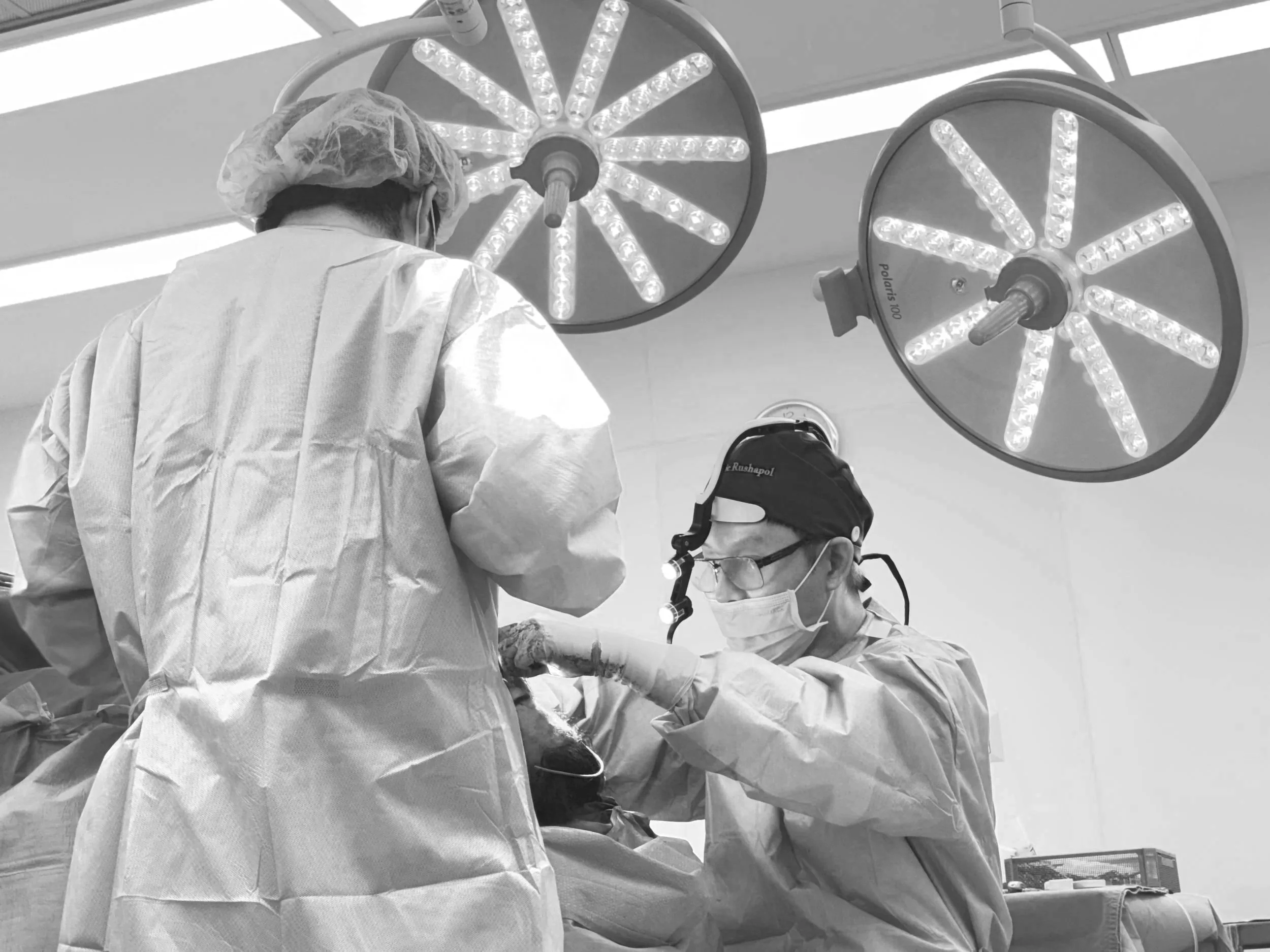
The concentration of specialist expertise in Bangkok is remarkable for a city of its size. Unlike regional centres in Australia where waiting lists for specialist consultations stretch 6–18 months, Bangkok's medical district offers direct access to senior, experienced surgeons — often within days of inquiry.
Patient-to-surgeon ratios also work in the patient's favour. In Thailand's leading cosmetic facilities, surgeons personally perform every significant step of the procedure. There is no delegation to junior registrars for the parts that matter. Consultations are thorough, expectations are managed carefully, and follow-up is built into the programme — not billed separately.
"My surgeon trained at Johns Hopkins and had performed over 4,000 procedures. I had better pre-op consultations in Bangkok than I ever had back home."
— Patient from Brisbane, 2025
International Fellowship Training
Leading Thai plastic surgeons regularly complete advanced fellowships in the USA, Europe, and Japan — bringing the latest surgical techniques directly to Bangkok operating theatres.
Dual Certification Standards
Many surgeons hold simultaneous accreditation with Thai and international medical bodies, meaning their credentials are independently verified to global standards — not just local ones.
English-Speaking Medical Teams
English fluency among Bangkok's specialist surgical teams is high and practically universal at facilities catering to international patients — eliminating communication barriers that can affect clinical safety and informed consent.
The Price: Up to 70% Less — Without Compromising Care
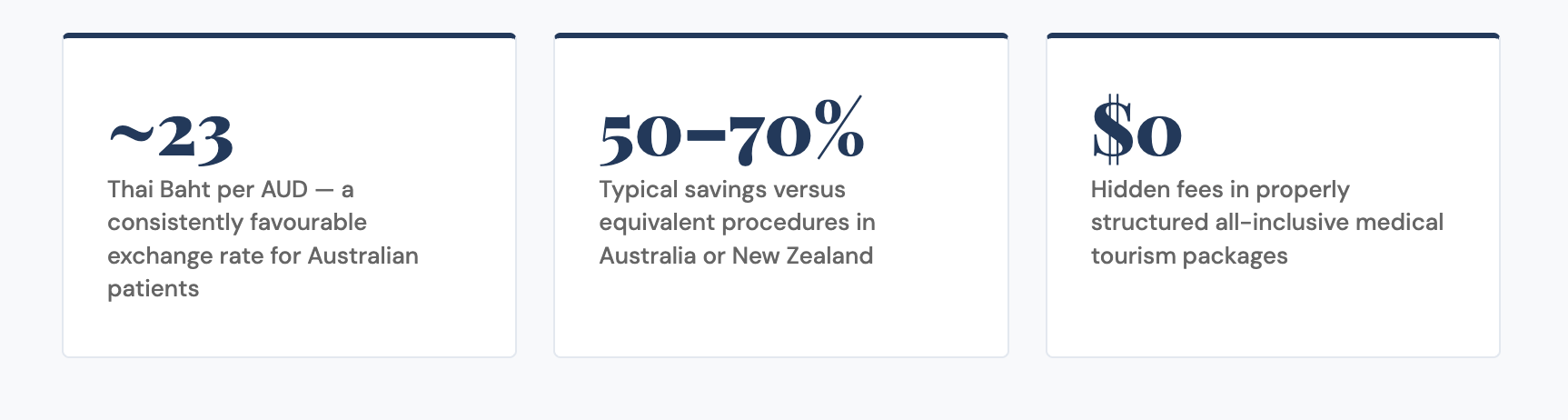
The cost difference isn't a discount. It's a structural reality driven by lower overheads, a favourable exchange rate, and a government that actively invested in medical infrastructure.
When Australians and New Zealanders compare costs, the numbers are genuinely startling. A facelift in Sydney or Melbourne can cost between AUD $20,000 and $35,000 — and that often excludes anaesthesiology, facility fees, and post-operative care, which are billed separately. The same procedure with a board-certified surgeon at a world-class Bangkok hospital — including accommodation, airport transfers, and aftercare coordination — can come in at AUD $8,990 all-inclusive.
This isn't a race to the bottom. Thailand's cost advantage is structural: property and labour costs are significantly lower, government subsidies support hospital infrastructure, and the Thai Baht exchange rate currently works strongly in favour of AUD and NZD earners. Surgeons command what are — by Thai standards — very high fees, which happen to translate into competitive pricing for international patients.What does "all-inclusive" actually mean? At reputable medical tourism facilitators, your package covers surgical fees, anaesthesia, pre-operative tests, hospital stay, 10 nights of quality accommodation, private airport transfers, medication, and a dedicated coordinator available 24/7. The number you see is the number you pay. No surprise billing. No separate anesthesiologist invoice arriving six weeks later.
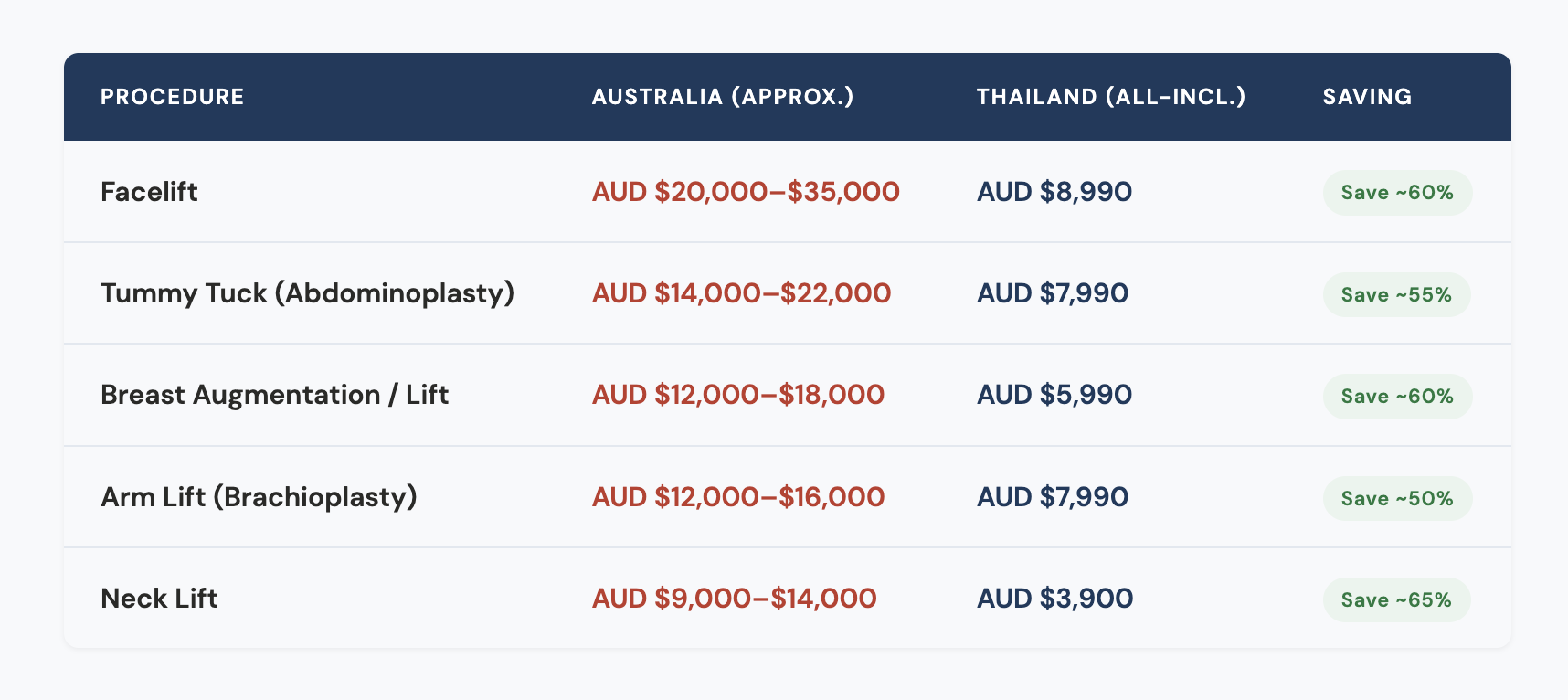
For Australian patients specifically, the mathematics become even more compelling when you factor in the experience itself. Recovering for 10 nights in a comfortable Bangkok hotel — with concierge support, nearby restaurants, and a city's worth of gentle exploration available when you feel ready — is a qualitatively different experience to recovering alone at home, paying separately for each GP follow-up visit.
The savings also open up possibilities that private surgery in Australia simply cannot. Patients who could only afford one procedure at home can combine two or three complementary surgeries in Thailand — reducing overall recovery time, consolidating travel, and achieving more comprehensive results under the care of a single surgical team.
03 · Facilities & Service
The Hospitals: JCI-Accredited, 5-Star Facilities With Dedicated International Wards
Thailand's hospital infrastructure isn't a concession to budget travel. It's a point of national pride — and a $20-billion sector built precisely to attract international patients.
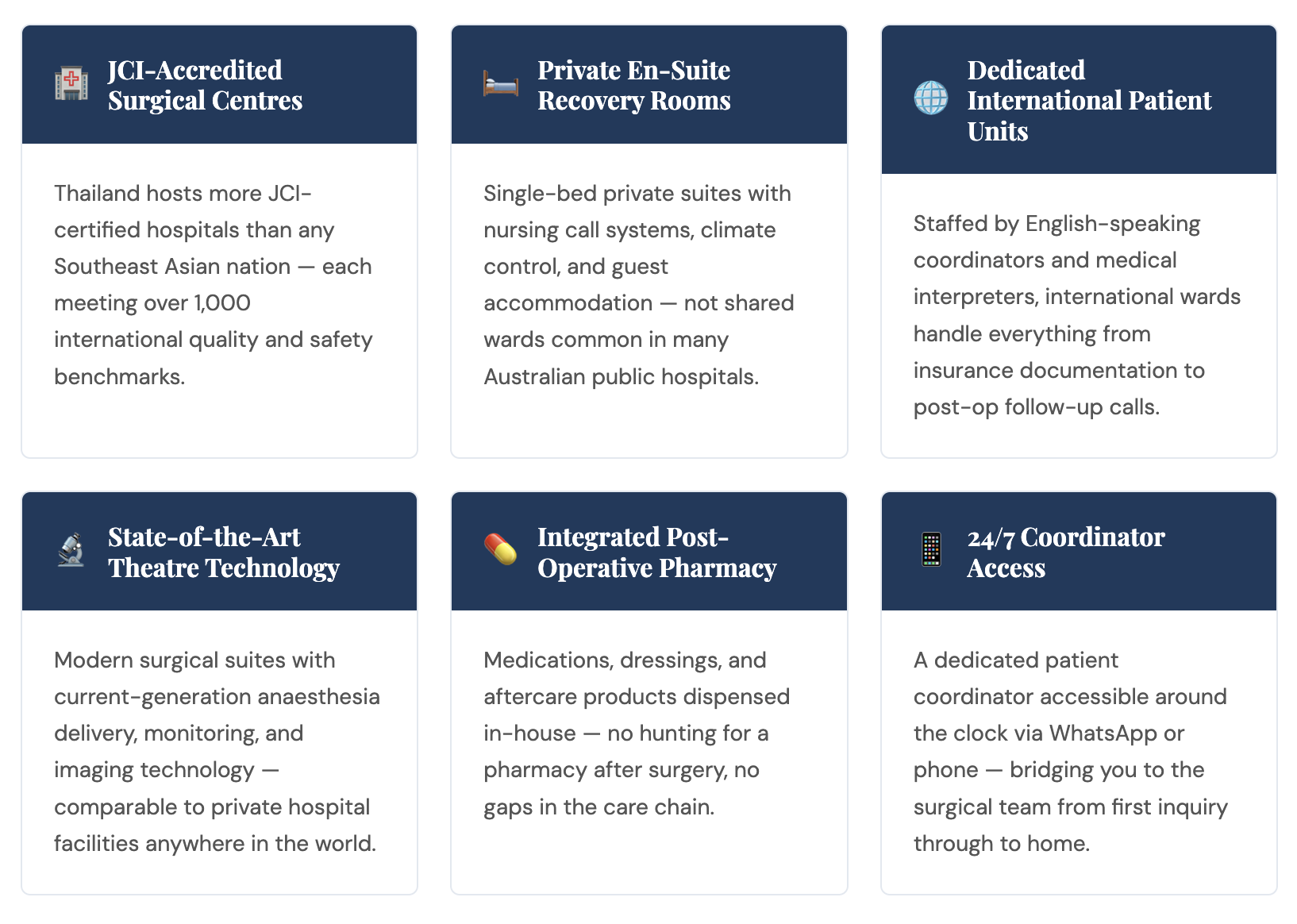
Thailand has more JCI-accredited hospitals (Joint Commission International — the global gold standard for hospital quality and safety) than any other country in Southeast Asia, and more per capita than most Western nations. JCI accreditation requires hospitals to meet over 1,000 measurable standards across patient safety, clinical outcomes, staffing, medication management, and infection control. It is not easy to obtain, and it's not cheap to maintain.
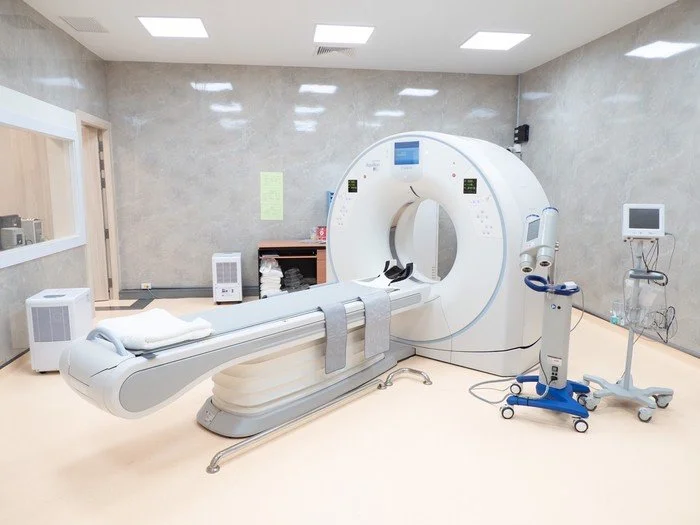
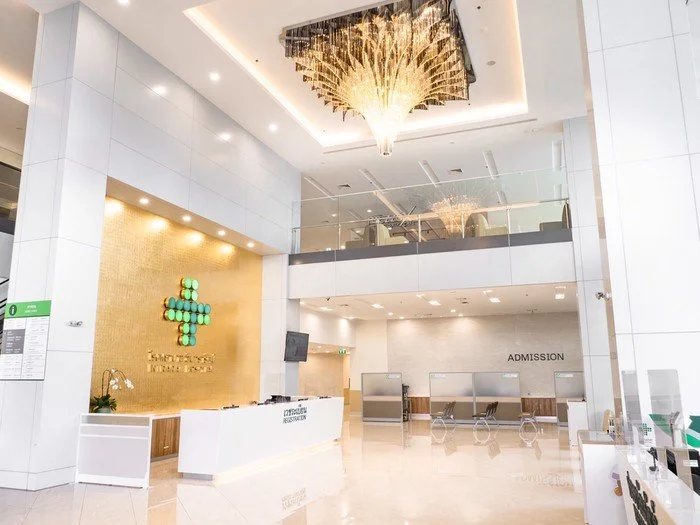
Bangkok's major private hospitals were not built to government minimum standards. They were built to compete — internationally. Bumrungrad International, Bangkok Hospital Group, and Samitivej were designed from the ground up with international patients in mind: multi-language signage, dedicated international patient lounges, patient liaisons who speak English, and single-room private surgical suites as standard. The operating theatres are equipped with the same technology you'd find at a leading Sydney or Melbourne private hospital — in many cases, newer.
Beyond the infrastructure, the culture of care in Thai hospitals is worth addressing directly. Thai healthcare workers operate within a culture that takes patient dignity and comfort seriously — not as a brand promise, but as a professional norm. Post-operative nursing is attentive and compassionate. Requests are responded to promptly. The patient experience is designed around the individual, not around shift changes and institutional throughput.
For patients travelling from Australia or New Zealand, the support structure doesn't end at the hospital door. Reputable medical tourism facilitators provide end-to-end coordination: airport pickup from the moment you land, accommodation within close proximity to the surgical facility, daily wellness checks during recovery, assistance with local transport and meals, and thorough documentation packages for your home GP and follow-up care back home.
"The hospital room was nicer than the private hospital I'd stayed in Sydney. The nursing team checked on me every hour. I felt safer there than I'd expected to feel anywhere."
— Patient from Auckland, 2025
The Case, Summarised
Thailand Isn't the Affordable Alternative.
It's Often the Better Choice.
The framing of medical tourism as a budget compromise misreads the reality. When you access a board-certified surgeon with 28 years of specialist experience, operating in a JCI-accredited facility, with a private nursing team and a dedicated English-speaking coordinator — at 50–70% less than what you'd pay at home — that is not a trade-off. That is an upgrade.
Thailand has spent three decades building a medical tourism sector that competes on quality, not just cost. The doctors trained internationally. The hospitals built to international accreditation. The service infrastructure was designed specifically for patients arriving from Australia, New Zealand, the UK, and the Middle East. The result is a system that, for elective cosmetic and surgical procedures, genuinely rivals and often surpasses what's available in many patients' home countries.
The question is no longer whether Thailand is safe for medical tourism. The question is why more people aren't choosing it.
Ready to Learn More About Your Journey?
MedSanctuary coordinates safe, supported cosmetic surgery in Bangkok for Australian and New Zealand patients — from your first question through to recovery back home.

