Thigh Lift
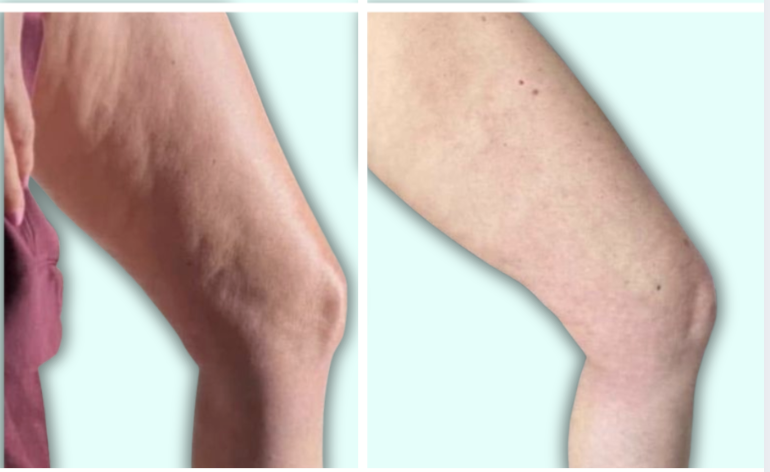
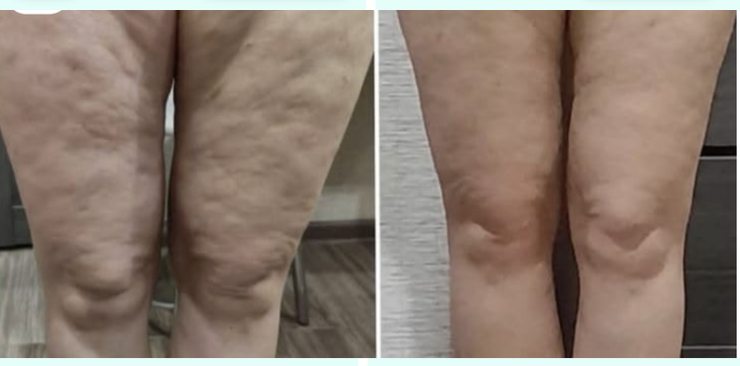
Overview A thigh lift (thighplasty) is a surgical procedure to remove excess skin and fat from the inner, outer, or full thighs to improve contour, reduce sagging, and tighten tissue. It is commonly performed after significant weight loss, aging, or when genetics cause persistent laxity that doesn’t respond to diet and exercise.
Types of Thigh Lift
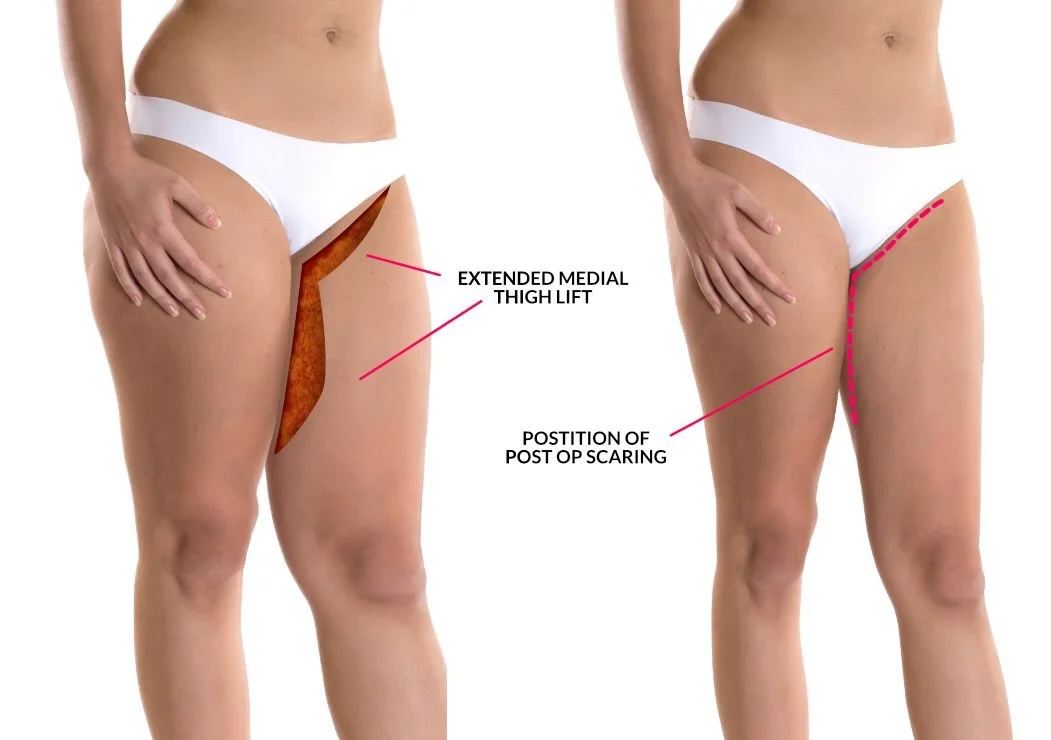
Inner thigh lift (medial thighplasty): Targets the inner thigh; incision typically runs from the groin toward the knee or limited to the groin for mild laxity.
Outer thigh lift (lateral thighplasty or circumferential lift): Addresses outer and lateral thigh and often extends into a lower body lift; incision may run around the hip to the groin.
Short-scar or minimal-incision techniques: For mild sagging; limited scarring but suited to select patients.
Combined procedures: Thigh lift is often combined with liposuction, body lift, or abdominoplasty for improved overall contour.
Who is a Good Candidate?
Stable body weight (ideally for 6–12 months)
Realistic expectations about results and scarring
Non-smoker or committed to quitting before and after surgery
Good overall health and no uncontrolled medical conditions (diabetes, heart disease)
Excess skin or localized fat deposits on the thighs not responsive to exercise
Preoperative Preparation
Medical evaluation: History, physical exam, lab tests, and photo documentation.
Medication review: Stop blood thinners, NSAIDs, and certain supplements as advised.
Smoking cessation: At least 4–6 weeks before and after surgery to reduce complications.
Weight stabilization: Aim for a stable, healthy weight; significant future weight change can alter results.
Arrange support: Postoperative care, transportation, and temporary limitations on household activities.
Accommodation and post-op care program: Confirm arrangements for travel, recovery lodging, and follow-up if having surgery abroad.
The Procedure
Anesthesia: General anesthesia or IV sedation with local blocks depending on extent.
Incisions: Location and length depend on the type and amount of tissue removed. Examples:
Inner thigh: incision in the groin; extended incisions for more laxity.
Outer thigh/circumferential: incision around the hip and groin.
Tissue removal and tightening: Excess skin and fat are excised; underlying tissue may be tightened.
Liposuction: Often used adjunctively to refine contours.
Closure and drains: Sutures close the incisions; drains may be placed to prevent fluid collection.
Duration
Typical operative time: 2–4 hours for isolated procedures; longer if combined with other surgeries.
Recovery Timeline
Immediate post-op: Dressings and compression garments applied; drains if used. Expect soreness, swelling, bruising.
First week: Rest with limited ambulation; pain controlled with prescribed medications. Drain removal usually within days to a week.
2–4 weeks: Gradual increase in light activity; avoid strenuous exercise and heavy lifting.
6 weeks: Most swelling reduces; resume low-impact exercise with surgeon approval.
3 months: Significant improvement in shape and comfort; scars begin to mature.
6–12 months: Final contour and scar maturation continue; scars typically fade but remain.
Pain and Discomfort
Pain varies by individual and extent of surgery; manageable with prescribed analgesics.
Numbness or altered sensation in the thigh is common and often improves over months.
Risks and Complications
Common: Swelling, bruising, scar visibility, temporary numbness, seroma (fluid collection), wound separation.
Less common: Infection, blood clots (DVT/PE), poor wound healing, contour irregularities, asymmetry, persistent pain, hypertrophic or keloid scarring.
Risk reduction: Follow pre-op instructions, stop smoking, maintain hygiene, use compression garments, and attend follow-up appointments.
Scarring
Scars are permanent but usually placed to be concealed by underwear/swimsuits.
Scar quality depends on incision length, surgical technique, genetics, and wound care.
Treatments (silicone sheets, massage, laser, steroid injections) can improve scar appearance if needed.
Results and Expectations
Results are long-lasting if body weight remains stable and skin quality is adequate.
Realistic expectations: Improved thigh contour and reduction of excess skin; some visible scarring.
Secondary