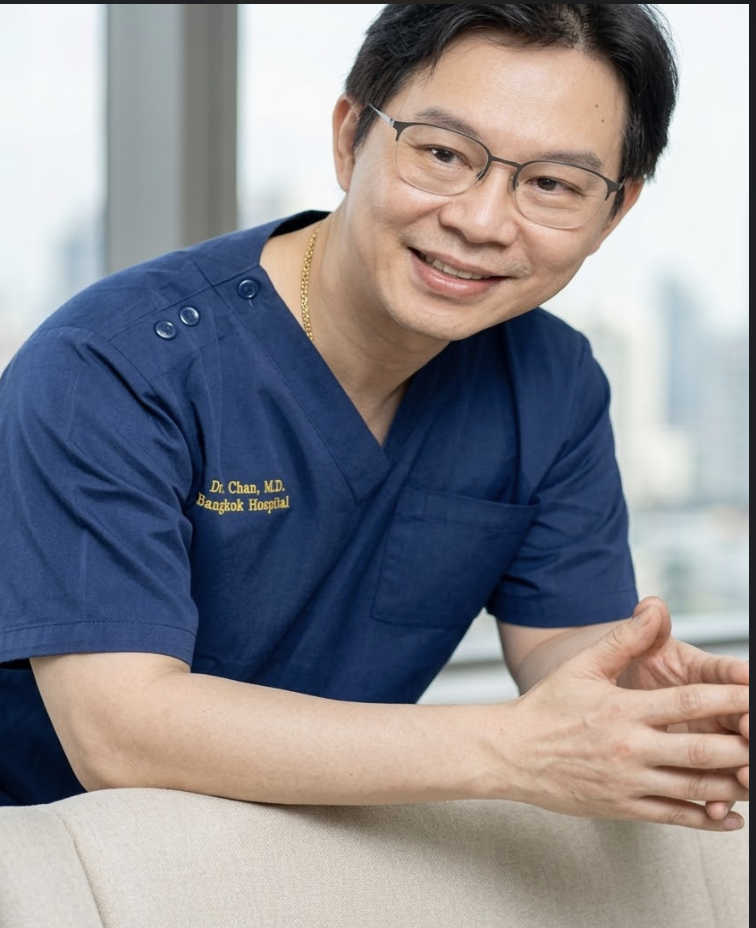

Rhinoplasty
*
Rhinoplasty *
A clear, honest look at nose reshaping surgery — what it is, how the journey unfolds, what recovery really asks of you, and how to decide if it is right for you.
The nose sits at the centre of the face, and even a small change to it can shift the balance of every other feature. That is precisely why rhinoplasty is considered one of the most nuanced procedures in facial surgery — and why it deserves to be approached slowly, with good information and no pressure.
This guide is written for people who are simply curious, as well as those further along in their thinking. It does not promise a particular result, because no honest guide can. What it offers instead is a calm, complete picture, so that whatever you decide, you decide it well.
What Is a Rhinoplasty?
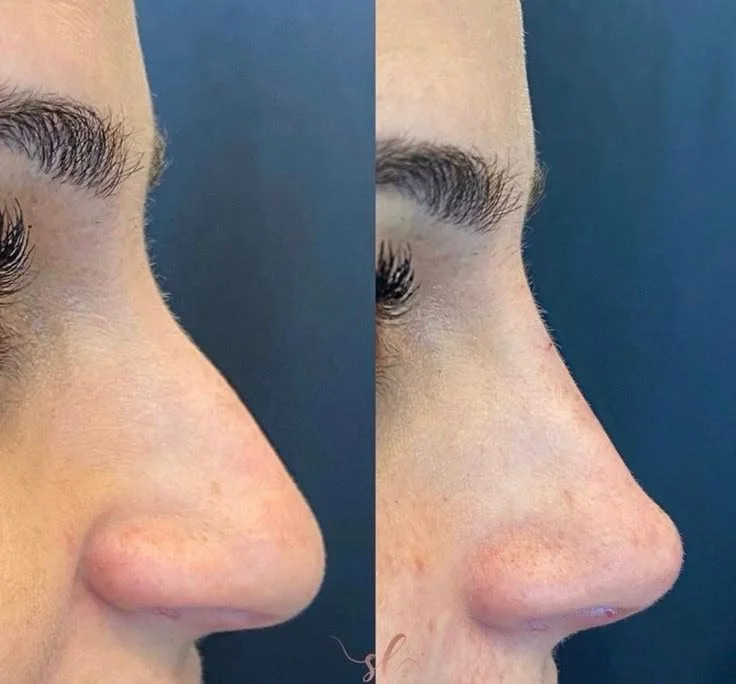
Rhinoplasty is surgery that changes the shape, size or proportion of the nose. People seek it for two broad reasons, which often overlap: aesthetic — refining the appearance of the nose so it sits in better harmony with the rest of the face — and functional — improving breathing where the internal structure is obstructing airflow.
A surgeon may adjust the bone, the cartilage, the skin, or all three. Because the nose is a three-dimensional structure where the inside and outside are deeply connected, changes to appearance and changes to function frequently go hand in hand..
A note on expectations
“Good rhinoplasty rarely looks like a dramatic transformation to others. It tends to look like balance — a face that seems rested and proportionate, without an obvious "operated" appearance. If the goal is subtlety and harmony rather than a completely different nose, that is usually a healthy starting point.”
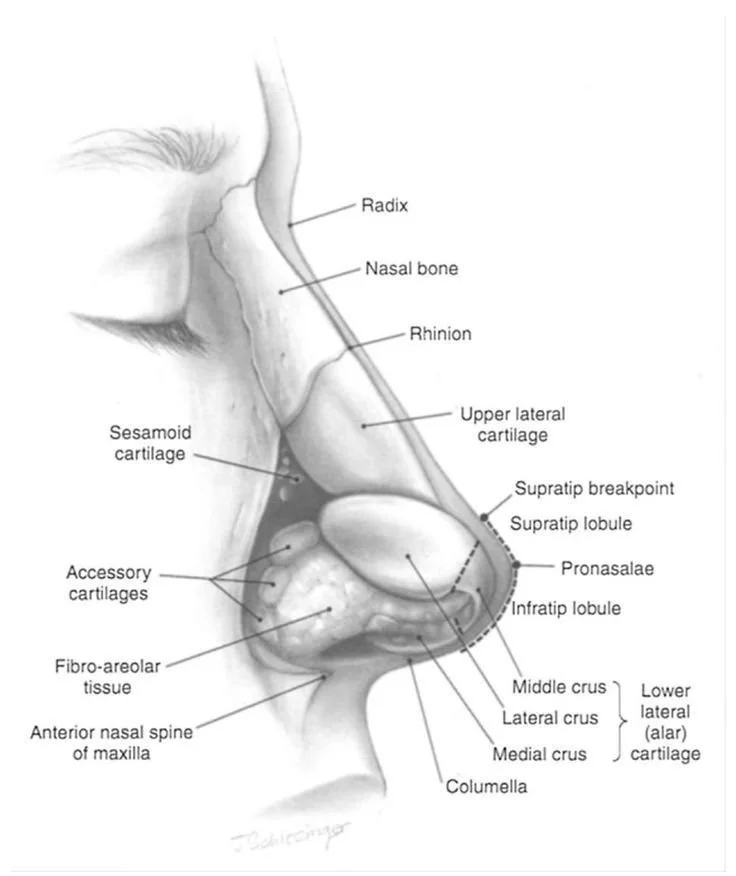
Type of Rhinoplasty
Open rhinoplasty
A small incision is made on the columella (the strip of skin between the nostrils), allowing the surgeon full visibility. Often chosen for more complex reshaping.
Closed rhinoplasty
All incisions are made inside the nostrils, leaving no external scar. Generally suited to more limited, refined adjustments.
Functional rhinoplasty
Focused on improving breathing — for example, correcting a deviated septum (septoplasty) — sometimes combined with aesthetic refinement.
Revision rhinoplasty
A second procedure to address the outcome of an earlier surgery. It is more complex than primary rhinoplasty and asks for particular surgical experience.
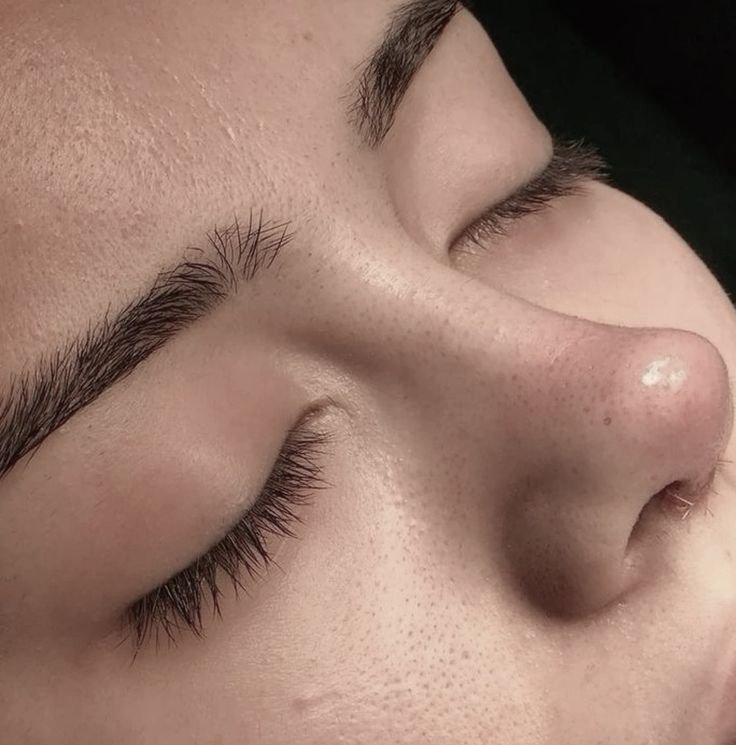
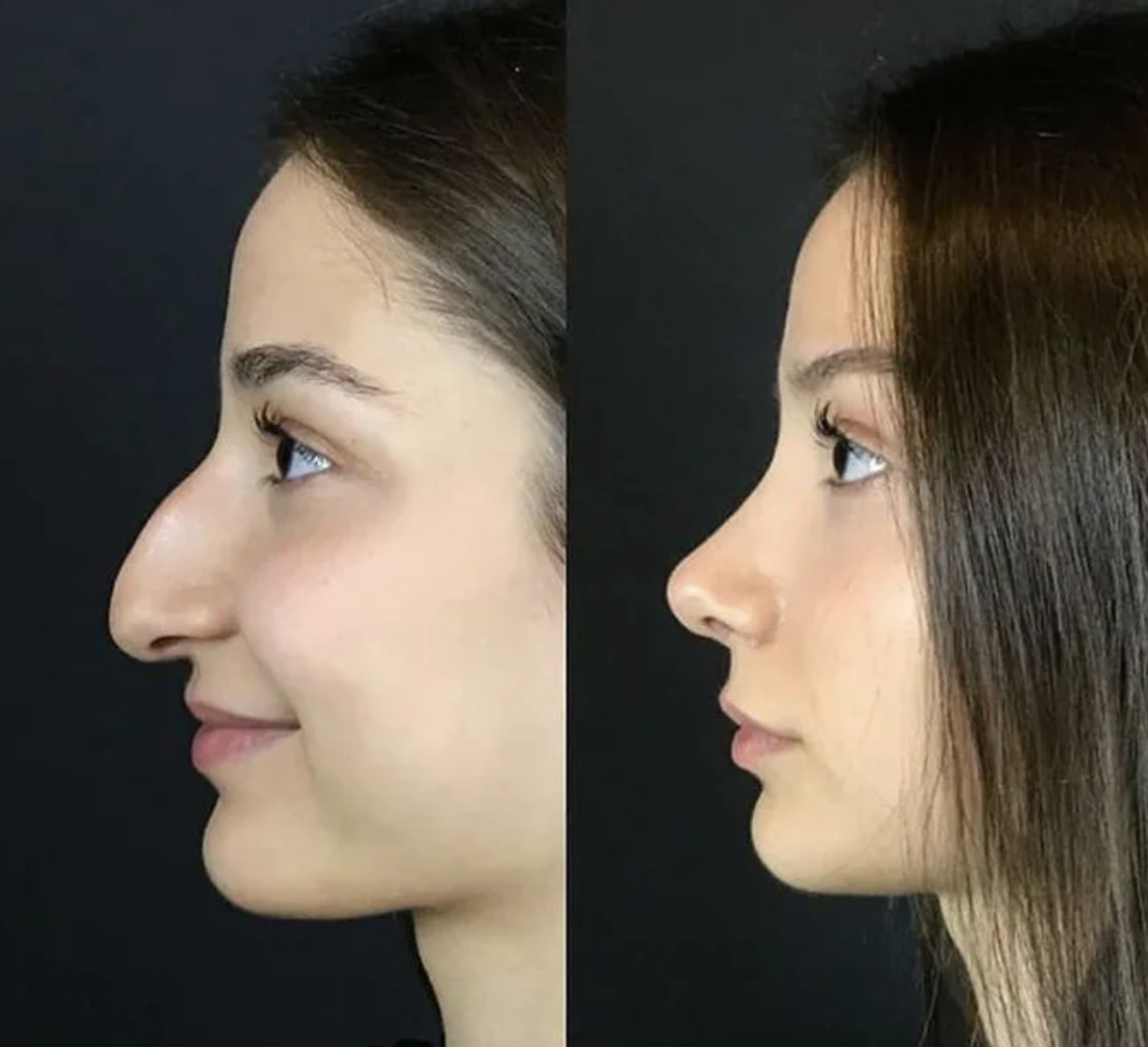
Are you a suitable candidate?
Surgeons generally look for a few things before recommending rhinoplasty. Broadly, a person tends to be better suited when they:
Have finished facial growth (commonly mid-to-late teens onward, though this varies).
Are in good general health, without conditions that complicate surgery or healing.
Do not smoke, or are willing to stop well before and after — smoking meaningfully impairs healing.
Hold realistic, specific expectations about what surgery can and cannot change.
Are seeking this for themselves, rather than to satisfy someone else.
A thorough surgeon will sometimes advise against surgery, or suggest waiting. That is a sign of care, not a setback.
The journey, step by step
Step One : Consultation & assessment
Your goals, medical history and nasal structure are discussed in detail. A good consultation spends as much time listening as advising.
Step Two: Planning
The surgeon outlines what is realistically achievable for your anatomy, the recommended technique, and what it does not promise.
Step Three: Preparation
Pre-operative checks, guidance on medications to pause, and clear instructions for the days beforehand.
Step Four : The procedure
Performed under anaesthesia, typically taking one to three hours depending on complexity.
Step Five: Early recovery
A splint and possibly internal supports are worn initially. Swelling and bruising around the eyes are normal and settle over the first weeks.
Step Six: The longer settle
The refined shape continues to emerge over months as residual swelling resolves — patience is part of the process.

Recovery, honestly
Recovery is the part most people underestimate, so it is worth being plain about it. The first week is the most demanding: a splint is usually in place, the nose feels congested, and bruising around the eyes is common. Most people take around one to two weeks away from work, depending on their role.
Visible swelling reduces substantially over the first few weeks, but the nose continues to refine quietly for up to a year or more. The very final shape is a slow reveal. Strenuous exercise, glasses resting on the bridge, and sun exposure are all typically restricted for a period your surgeon will specify.
Why post-operative care matters
Surgery is a single day; healing is a season. Structured aftercare — wound checks, swelling management, and direct access to a clinical team for questions — has a real influence on both comfort and outcome. When considering surgery away from home, the quality and length of post-operative support deserves as much scrutiny as the surgery itself.
Risks & realistic understanding
All surgery carries risk, and rhinoplasty is no exception. A responsible conversation about it is non-negotiable. Possible risks include, among others:
Reaction to anaesthesia.
Bleeding or infection.
Temporary or, rarely, lasting changes in sensation.
Breathing difficulty, or persistence of an existing one.
An outcome that does not fully meet expectations, sometimes prompting consideration of revision surgery.
These are not reasons to be fearful — they are reasons to choose your surgeon carefully and to ask direct questions. A surgeon who discusses risk openly is doing their job properly.
How to choose a surgeon
If you take one thing from this guide, let it be this: the surgeon matters more than the technique, the clinic or the price. Rhinoplasty is unusually dependent on individual surgical skill and judgement. When assessing a surgeon, it is reasonable to look for:
Recognised qualifications and membership of respected professional bodies (for example, ISAPS for international plastic surgeons).
Specific, substantial experience in rhinoplasty — not surgery in general.
An honest consultation that includes what surgery will not do.
Accredited facilities and a clear plan for complications, should they arise.
A sense of being heard — your instinct about whether you are understood is worth trusting.
A word on travelling for surgery
For many Australians and New Zealanders, considering surgery overseas is part of a wider picture that includes cost, surgeon availability and recovery time. There is nothing inherently wrong with this — many internationally trained surgeons hold qualifications equal to those at home, and accredited hospitals abroad meet high standards.
What changes when you travel is the importance of planning: enough time on the ground for the procedure and early recovery, a clear aftercare arrangement, and a plan for follow-up once you return home. These logistics are not minor details; they are central to a safe experience. A reputable facilitator should make all of this transparent before you commit to anything.