
Plastic Surgery in Thailand vs Other Countries: An Honest Comparison
The benefits of plastic surgery in Thailand compared with Australia, Turkey, South Korea, Malaysia and Mexico for Australian and New Zealand patients, plus the honest downsides.
Short answer: For Australians and New Zealanders, Thailand's main advantages over other cosmetic surgery destinations are practical ones:
Direct flights of about nine hours from Sydney and Melbourne.
A time difference of only three to four hours from the east coast of Australia.
A large private hospital sector that is used to international patients.
Established recovery accommodation with nurse monitoring and coordinator support.
Total costs that are usually well below Australian private fees.
The trade-offs are the same as for any overseas surgery. Medicare and most insurance will not cover you, your surgeon is far away once you are home, and quality varies widely between providers. So the surgeon you choose matters more than the country.
By the MedSanctuary team, Bangkok. Updated October 2026.
What are the benefits of choosing plastic surgery in Thailand compared with other countries?
Thailand's benefits come down to distance, cost, hospital infrastructure and recovery support. None of them replaces checking the individual surgeon, but together they make the trip simpler for patients from Australia and New Zealand than most alternatives.
Shorter travel: There are direct flights from Sydney, Melbourne and Perth to Bangkok. A shorter flight home is easier after surgery and means less time sitting still on the plane.
A small time difference: Bangkok is three to four hours behind Sydney and Melbourne. You can reach your coordinator and surgeon during their working day, both before and after surgery.
Cost: Lower wages, hospital overheads and insurance costs mean a Bangkok package often costs a fraction of Australian private fees, even after flights and accommodation. Our article why plastic surgery is cheaper in Thailand explains where the difference comes from.
Hospitals: Bangkok has many private hospitals with international patient departments, intensive care units and 24-hour emergency care. Some hold JCI accreditation and others hold different certifications. You can check any named hospital's status yourself.
Surgeon training: Board-certified Thai plastic surgeons complete specialist training in plastic and reconstructive surgery, and many add fellowships abroad. Not everyone offering cosmetic surgery holds that training, but any doctor's licence can be checked on a public register.
Recovery support: Bangkok has an established system of recovery hotels and serviced apartments with nurse monitoring, which suits patients who need to stay for one to two weeks.
How does plastic surgery in Thailand compare with Australia?
Australia's main advantage is continuity of care. Your surgeon is nearby if a complication appears weeks later, you are covered by Australian consumer protections, and cosmetic surgery is regulated by Ahpra. Since 1 July 2023, Australian patients have needed a GP referral, two consultations and a cooling-off period of at least seven days before cosmetic surgery. Some procedures, such as abdominoplasty after significant weight loss in certain circumstances, can attract a Medicare item number, which may bring private health cover into play. Thailand's main advantage is cost, often with a recovery package included. If cost is not the deciding factor for you, having surgery close to home is the simpler choice. Our facelift, tummy tuck and breast surgery cost guides compare the two line by line.
How does Thailand compare with Turkey for cosmetic surgery?
Turkey is a well-known destination, particularly for hair transplants, rhinoplasty and body procedures. For Australians the main difference is distance. Travel to Istanbul usually takes more than 20 hours with at least one stop, and Istanbul is seven to eight hours behind Sydney. A longer journey home adds to the risk of blood clots after surgery, and the large time difference makes follow-up calls harder once you are back. The same checks apply in either country: a named surgeon, a verifiable licence, a hospital with emergency backup and a written aftercare plan.
How does Thailand compare with South Korea for cosmetic surgery?
Seoul is known for facial surgery, including eyelid surgery and facial bone contouring. Direct flights from Sydney take roughly ten to eleven hours, and Seoul is only one to two hours behind Sydney, so travel is comparable to Bangkok. Patients often compare the two for facial procedures. As with any destination, judge the individual surgeon's training and experience with your particular concern rather than the country's reputation. (Dr. Rushapol Sdawat, for example, completed facial bone contouring training in Seoul as part of his international training.)
How does Thailand compare with Malaysia for cosmetic surgery?
Malaysia is also close to Australia. Flights to Kuala Lumpur take around eight hours from Sydney, and Malaysia is two to three hours behind Sydney. Malaysia's government-backed Malaysia Healthcare Travel Council promotes hospitals that serve international patients. Bangkok has a larger private cosmetic surgery sector and more recovery accommodation built for surgical patients, while some patients prefer Kuala Lumpur or Penang for a quieter stay. Both require the same checks on the surgeon and hospital.
How does Thailand compare with Mexico for cosmetic surgery?
Mexico mainly serves patients from the United States. There are no non-stop flights from Australia, so travellers usually connect through the United States, which requires US transit authorisation, and the total journey is long. Mexico City is around 16 to 17 hours behind Sydney. For Australians and New Zealanders, the travel time and time difference make Mexico a harder option for both recovery and follow-up.
What are the downsides of having plastic surgery in Thailand?
Being honest about the downsides is part of making a good decision:
Medicare does not cover treatment overseas, and Australian private health insurance generally does not cover overseas procedures or the follow-up treatment of complications. See Medicare and health funds.
Your surgeon is far away once you are home. Plan your follow-up before you leave.
Quality varies widely between providers, from large hospitals to small clinics. Australian and New Zealand plastic surgery bodies have warned about this publicly. Read what the regulators say and is cosmetic surgery in Thailand safe?.
Bangkok is hot and humid for much of the year, which can make compression garments uncomfortable during recovery.
Any surgery can need revision, and arranging a revision overseas adds cost and travel.
How do I decide which country is right for me?
Choose the surgeon first, then the country. Shortlist surgeons whose licence and specialist training you can verify, who operate in a hospital with emergency backup, and who will give you an itemised quote and a written aftercare plan. Then weigh the travel time, time difference, length of stay and follow-up arrangements for each option. Our planning checklist for cosmetic surgery abroad takes you through each step.
Where does MedSanctuary fit?
MedSanctuary is a Bangkok medical travel practice for patients from Australia and New Zealand. Surgery is performed by Dr. Rushapol Sdawat, a Thai Board-certified plastic and reconstructive surgeon (Medical Council of Thailand licence No. 17689), at Intrarat Hospital. The hospital is ISO 9001:2015 certified and is not JCI-accredited. We give you an itemised quote in Thai baht with an indicative AUD figure, and packages include recovery accommodation and coordinator support. Request a free assessment to see whether it suits you.
This article is general information, not medical advice. Any surgical or invasive procedure carries risks. Before proceeding, you should seek a second opinion from an appropriately qualified health practitioner.
Planning a Cosmetic Surgery Trip Abroad: A Checklist for Australians and New Zealanders
What to consider when planning a cosmetic surgery trip abroad: surgeon checks, a GP health check, the full budget, insurance, flights, a support person and aftercare at home.
Short answer: Plan a cosmetic surgery trip around safety and recovery, not the flight deal. The essentials are:
Verify the surgeon and the hospital.
See your GP for a health check at least six weeks before you go.
Budget for the whole trip, not just the operation.
Confirm in writing what your insurance will and will not cover.
Stay long enough for your surgeon to clear you to fly.
Bring a support person if you can.
Arrange your follow-up care at home before you leave.
This checklist is written for Australians and New Zealanders, but most of it applies wherever you live.
By the MedSanctuary team, Bangkok. Updated October 2026.
What should I consider when planning a medical tourism trip for cosmetic surgery?
There are eight things to consider: the surgeon, the hospital, your health before surgery, the full cost, insurance, how long you will stay, who will travel with you, and your aftercare at home. The sections below take each in turn. If you only do one thing, verify the surgeon's credentials yourself before paying anything.
How far ahead should I start planning cosmetic surgery abroad?
Start three to six months ahead. A workable timeline looks like this:
Three to six months before: Research the procedure, shortlist surgeons, verify their credentials, send photos for an assessment and have a video consultation.
At least six weeks before: See your GP for a health check and a letter summarising your medical history and medicines. Australia's Smartraveller service advises a health check at least six weeks before travelling for treatment.
Four or more weeks before: Stop smoking and vaping, which harm wound healing. Stop oestrogen-containing medicines if your surgeon and doctor advise it.
Two weeks before: Stop any medicines and supplements your surgeon lists as affecting bleeding. Confirm your itinerary, insurance and leave.
How do I check a surgeon and hospital overseas?
Ask for the operating surgeon's full name and licence number, and check them against the public register. Then confirm the surgeon's specialist training in plastic surgery and the hospital's accreditation or certification. Ask the questions Ahpra recommends Australians ask any cosmetic surgeon: the total cost, refund terms, who pays for follow-up, and how complaints are handled. Our guides on verifying a Thai surgeon and what Australian and New Zealand regulators say walk you through both.
How much should I budget beyond the price of the surgery?
The operation is only part of the cost. Also budget for:
Return flights, preferably with flexible dates.
A support person's flights and accommodation.
Extra nights if your recovery takes longer than planned.
Meals and local transport.
Specialised travel or complications insurance.
Scar care.
Lost income.
A contingency fund.
Our real total cost of surgery in Thailand guide works through each line. If you are thinking of using superannuation, read this first.
Will Medicare, private health insurance or travel insurance cover cosmetic surgery abroad?
Generally, no, so plan as if you are not covered. Medicare does not cover medical treatment overseas, and Australia has no reciprocal health care agreement with Thailand. Australian private health insurance generally does not cover procedures performed overseas and may not cover follow-up treatment of complications after you return. Standard travel insurance usually excludes planned medical treatment, so look for a policy written for medical travel and read the exclusions. New Zealanders should not count on ACC. The New Zealand Association of Plastic Surgeons states that ACC does not cover injuries from surgery overseas. Published ACC claims data show that some overseas claims have been accepted, but cover is not guaranteed, so confirm your position with ACC directly. See Medicare and health funds and ACC and overseas surgery.
How long should I stay after cosmetic surgery before flying home?
It depends on the procedure and on how you recover, and the guidance varies. The American Society of Plastic Surgeons suggests waiting five to seven days after body procedures and seven to ten days after facial procedures. The Australasian Society of Aesthetic Plastic Surgeons advises Australian and New Zealand patients not to fly for six to eight weeks after surgery. For major face and body procedures we recommend 14 days in Bangkok, ending with a face-to-face fitness-to-fly review. Read how long before you can fly after surgery and the milestones that set your flight home.
Should I bring a support person on a cosmetic surgery trip?
If you can, yes, at least for the first week. After a general anaesthetic and major surgery you will need help getting to appointments, with meals and medicines, and simply with company. A support person also notices warning signs you might dismiss. If you travel alone, tell your coordinator early so that extra support can be arranged. Our guide to where to recover in Bangkok covers your accommodation options.
What should I pack for surgery overseas?
Pack your GP's letter, a printed list of your medicines and allergies, copies of your passport and insurance, loose front-opening clothes, slip-on shoes, and anything your surgeon asks you to bring. Leave space for compression garments and paperwork on the way home. Our full list is in what to bring to Thailand for surgery.
What follow-up care should I arrange at home?
Before you leave, tell your GP your plans and ask whether they will see you after you return. Come home with your operation report, your discharge summary, a list of your medicines, any implant cards and a direct contact for your surgeon. Know which symptoms mean you should go to an emergency department rather than wait. Sudden breathlessness, chest pain, a hot, swollen calf, fever with shaking, or a rapidly swelling wound all qualify. Our red flags guide and post-operative care guidelines cover the details.
What are the warning signs that a medical tourism offer is not safe?
The surgeon is not named, or you cannot verify their licence.
The price is not itemised, or it is quoted as a single "all-in" figure with no list of what is included.
You are pressured to pay a deposit or book quickly.
The flight home is scheduled a few days after major surgery.
There is no plan for complications after you get home.
Results are promised or described as risk-free.
How does MedSanctuary help Australians and New Zealanders plan surgery in Bangkok?
MedSanctuary coordinates surgery with Dr. Rushapol Sdawat (Medical Council of Thailand licence No. 17689) at Intrarat Hospital in Bangkok. You get a free photo assessment and an itemised quote, a video consultation before you book, and a written itinerary. Packages include airport transfers, a pre-operative health check, first-night monitoring in intensive care, recovery accommodation and a coordinator. See how it works, or start your free assessment.
This article is general information, not medical advice. Any surgical or invasive procedure carries risks. Before proceeding, you should seek a second opinion from an appropriately qualified health practitioner.
Is Cosmetic Surgery in Thailand Safe? An Honest Answer From a Bangkok Surgeon
A Bangkok plastic surgeon on what the 60 Minutes investigation got right, what the data actually shows, and the seven questions that separate safe from unsafe.
By Dr. Rushapol Sdawat, MD — Thai Board-certified Plastic and Reconstructive Surgeon, Medical Licence No. 17689
Last reviewed: 28 AUG 2026
In August 2026, Australian television broadcast the stories of women who came to Bangkok for cosmetic surgery and went home disfigured. I am a plastic surgeon in Bangkok. I watched it, and I am not going to tell you those stories were unrepresentative or unfair.
The honest answer to the question in the title is: it depends entirely on who operates on you, where, and what happens afterwards — and the gap between the best and the worst in this city is wider than in almost any other medical market in the world. That is an uncomfortable thing for someone in my position to write, and it is also the only useful thing I can tell you.
What follows is an attempt to give you the tools to tell the difference, including the parts that do not flatter my own industry.
What the criticism gets right
Two days after the broadcast, the Australasian Society of Aesthetic Plastic Surgeons issued a statement calling for government action. The line that should concern you most is this one:
"heavily curated patient stories, before-and-after content and positive recovery experiences can create an impression of safety that may not show complications, recovery difficulties or longer-term outcomes."
They are describing the standard marketing model of this entire category, and they are correct. If you have spent an evening reading Thailand surgery websites, you have seen hundreds of glowing testimonials and close to zero discussion of what happens when things go wrong. That asymmetry is not evidence that complications are rare. It is evidence that nobody publishes them.
The Australian Society of Plastic Surgeons is blunter still: cosmetic tourism is "a price-driven practice," surgical qualifications and facility standards overseas "may not consistently meet the high standards required in Australia," and — the criticism that lands hardest — "patients who have had surgery overseas often report only meeting their surgeon on the day of their operation."
I have met patients for whom that was true elsewhere. It is indefensible. You cannot consent properly to an operation you discussed for the first time an hour beforehand, through a coordinator, with a surgeon whose name you learned that morning.
ASAPS also estimates that around 15,000 Australians travel overseas for cosmetic surgery each year — adding that they "believe the true number may be considerably higher" — spending roughly $300 million, and that revision surgery may be needed in up to seven per cent of cases. Dr Mark Duncan-Smith, a Perth plastic surgeon, has publicly estimated that Australian plastic surgeons collectively treat two to three thousand patients a year for complications from overseas procedures.
Take those numbers seriously. I would add one caveat in the interests of accuracy rather than defence: as a professor quoted in an Australian health-fund article on this topic noted, medical tourism data should be "taken with a heavy grain of salt" because it is "rarely collected by impartial third parties." The bodies producing complication estimates also compete commercially with overseas providers. That does not make the numbers wrong. It means nobody — including me — is a neutral source here, and you should weight everything you read accordingly, including this.
What the criticism gets wrong
The weakest part of the case against Thai surgery is the implication that the country lacks surgical standards. It does not.
Thailand has a formal specialist certification system administered by the Royal College of Surgeons of Thailand under the Medical Council of Thailand. Thai Board certification in Plastic and Reconstructive Surgery requires a completed medical degree followed by either a general surgery residency plus a further plastic surgery residency, or a direct-entry plastic surgery residency, at an accredited teaching hospital, with examination at each stage. My own path was the first of those: Siriraj Hospital for medicine, Phramongkutklao Hospital for the general surgery board, and Ramathibodi Hospital at Mahidol University for the plastic surgery board.
Every registered doctor in Thailand carries a Medical Council licence number. Mine is 17689. It is publicly verifiable — the Medical Council of Thailand runs a free English-language register at checkmd.tmc.or.th — and so is every other Thai doctor's. Go and check mine now.
The problem in Bangkok is not the absence of a standard. It is that the standard is not what most patients are actually buying. A great deal of cosmetic work in this city is performed by doctors who are not plastic surgeons at all — general practitioners, dermatologists, doctors with a weekend course certificate — in clinics rather than hospitals. Nothing about the phrase "Thailand" tells you which of those two worlds you have walked into. The word that matters is not the country. It is the credential.
The seven questions that actually separate safe from unsafe
If you do nothing else, ask these. Ask them of me, and ask them of everyone else you are considering — including surgeons in Australia and New Zealand.
1. What is your surgeon's name and licence number, and can I verify it myself?If a provider will not name the operating surgeon before you pay a deposit, stop. A named surgeon with a verifiable Medical Council number is the floor, not a feature. Be alert to the surgeon being changed after booking.
2. Is the surgeon certified by the Thai Board of Plastic and Reconstructive Surgery?Not "board certified" unqualified — the specific board. Membership of international societies is not certification. ISAPS and ASPS are membership organisations; they do not certify or accredit anyone, and any provider describing a surgeon as "ISAPS-certified" either misunderstands this or is hoping you do.
3. Will I speak to the operating surgeon before I fly, on video, for long enough to disagree with him?This is the single strongest predictor of a good experience, and it is where ASAPS's criticism has the most force. The consultation should be with the surgeon, not a coordinator, and long enough that you could be told no.
4. In what facility will the operation take place, and what is its accreditation?A licensed hospital with an intensive care unit, a resident anaesthetist and blood banking is a materially different risk environment from a day clinic. Ask what the accreditation actually is and check that the accrediting body exists and accredits hospitals. Intrarat Hospital, where I operate, is certified to ISO 9001:2015. It is not JCI-accredited, and you should be sceptical of any provider implying otherwise — several sites quote Thailand-wide JCI statistics in a way that reads as a claim about their own hospital.
5. Who administers the anaesthetic and what monitoring is in place?The answer should be a qualified anaesthetist, in a hospital, with full monitoring and post-operative recovery capability. Anaesthesia is where the worst outcomes in cosmetic surgery originate.
6. What is the written policy on complications and revisions — who pays, and for what?Get it in writing before you pay. Include: who reviews you after you fly home, how you contact the operating surgeon directly, what a revision costs, and who pays for return flights and accommodation if one is needed. Vagueness here is the reddest flag in this industry.
7. What are you not telling me — what are the risks, and when would you refuse to operate?A surgeon who cannot readily describe the complications of your procedure, or who has never declined a case, is telling you something important. I decline operations regularly: patients whose expectations cannot be met by surgery, patients too young for what they are asking, patients whose risk profile makes the procedure unwise, and patients whose problem is not surgical. If that answer never comes, ask harder.
The things that go wrong
Because nobody in my industry writes this section, here it is.
Haematoma — bleeding into the surgical space, typically within the first 24 to 48 hours. The most common early complication in facelift surgery. Usually requires a return to theatre. This is the primary clinical reason to remain near your surgeon in the first week.
Seroma — a fluid collection, most common after abdominoplasty and extensive liposuction. Often managed with drainage in clinic, sometimes repeatedly.
Infection — surgical site infection is a recognised risk in any procedure. Australian sources have raised specific concern about resistant organisms acquired abroad. Ask about antibiotic protocols.
Wound breakdown and delayed healing — significantly more likely in smokers, in diabetics, and at tension points such as the vertical limb of a body lift.
Skin or fat necrosis — tissue loss from compromised blood supply. Higher risk in smokers and in long-flap procedures.
Nerve injury — temporary numbness is expected after most procedures. Permanent motor nerve injury in facelift surgery is uncommon but real, and must be disclosed.
Capsular contracture — hardening of scar tissue around a breast implant, which can occur years later and may require further surgery.
Venous thromboembolism — deep vein thrombosis and pulmonary embolism. Rare but potentially fatal, and the reason risk scoring and prophylaxis matter.
An outcome you do not like — asymmetry, scarring worse than hoped, or a result that is technically sound and emotionally disappointing. This is not a rare complication. It is the most common reason for regret, and it is prevented at the consultation, not in theatre.
If a provider has not walked you through this list, you have not consented.
The financial exposure nobody mentions
Understand the position before you book, not afterwards.
Medicare does not cover overseas medical treatment. Australia holds reciprocal health agreements with a small number of countries, mostly for emergency care — Thailand is not among them. Australian private health insurance generally does not cover procedures performed overseas, and may not cover follow-up treatment at home either — the Better Health Channel puts it as "unlikely" rather than impossible, so check your own policy in writing and do not assume either way. Standard travel insurance generally excludes medical tourism outright; Smartraveller advises obtaining a specialised policy and warns that medical evacuation home can cost hundreds of thousands of dollars.
In New Zealand the position is conditional, and widely misunderstood. NZAPS states that ACC does not cover injuries sustained from surgery overseas. A 2020 peer-reviewed analysis of ACC treatment-injury claims by Jonathan Wheeler, covering 1 July 2014 to 30 June 2019, found 1,048 claims lodged and 738 accepted, valued at NZ$6.3 million; of all claims with breast reconstruction excluded, 76 patients had had their initial surgery overseas. Critically, Wheeler notes that ACC "will accept a treatment injury only if the surgery has been performed by an appropriately qualified doctor," and that it is "not well understood by health professionals in New Zealand that the ACC may cover some patients who have complications as a result of surgery undertaken overseas." Whether you are covered turns on your surgeon's qualifications, not simply on where you flew. Seek that in writing from ACC rather than from a clinic.
One more, specific to Australia and currently being enforced: in October 2025 the ATO and Ahpra issued a joint warning that some health practitioners and registered agents are "inappropriately supporting individuals to access their superannuation on compassionate grounds, particularly for cosmetic procedures that aren't aligned to compassionate release requirements." Penalties apply to anyone who helps prepare or submit an application "for health treatments that are not necessary," which the ATO treats as a false or misleading statement to the Commissioner. In April 2026 the WA State Administrative Tribunal found a Perth doctor had engaged in professional misconduct for helping a patient access $18,500 of superannuation to fund liposuction, and suspended his registration. If any provider offers to help you access your super for cosmetic surgery, treat that as a serious warning sign about the provider.
How to check a Thai surgeon yourself, in ten minutes
Get the surgeon's full name in Thai and English and their Medical Council licence number. Refusal to provide these ends the conversation.
Search the licence number alongside the surgeon's name. It should appear on the hospital's own website. A surgeon whose credentials exist only on agency sites is a problem.
Confirm the specific credential is Thai Board of Plastic and Reconstructive Surgery — not "cosmetic surgery," not a society membership, not a fellowship certificate from a course.
Identify the hospital, not the agency. Confirm the operation happens in that hospital, that it has an ICU, and confirm what its accreditation actually is.
Search the surgeon's name outside the marketing sphere — forums, Reddit, Trustpilot, RealSelf — and read the one-star reviews specifically. Patterns matter more than individual accounts.
Ask for the written complications and revision policy before any deposit.
Insist on a video consultation with the operating surgeon before booking flights.
Apply all seven to me. I would rather lose a patient to scrutiny than gain one who did not do it.
The honest bottom line
Cosmetic surgery in Thailand can be performed to a standard equal to anywhere in the world, by properly certified specialists, in licensed hospitals, with outcomes that hold up. It can also be performed by unqualified doctors in unlicensed premises on patients who never met them, and the marketing for both looks identical from Australia.
Price is not the variable that predicts which one you get. Credential, facility, consultation and aftercare are.
If the seven questions above are answered clearly and in writing, you have removed the failure modes that are removable in advance. You have not removed surgical risk. The complications listed above happen to well-selected patients operated on by properly certified surgeons in accredited hospitals, and they will keep happening. What you have done is make sure that if one occurs, it occurs inside a system that can manage it. If the questions are deflected, no discount compensates for what you are accepting.
And if, after reading this, you conclude that having the surgery at home — closer to your surgeon, inside your health system, with recourse if things go wrong — is worth the extra cost, that is a completely rational decision, and I would rather you make it than fly here uncertain.
When to seek care
If you have already had surgery overseas and are back home: seek urgent medical review for fever above 38°C, increasing pain, spreading redness, wound discharge, a rapidly enlarging or tense swelling at a surgical site, or one-sided leg pain and swelling. Seek emergency care for sudden breathlessness, chest pain worse on breathing in, or coughing blood. Do not delay because you are worried about how the surgery was obtained — present to an emergency department and tell them exactly what was done and when.
Dr. Rushapol Sdawat (known to international patients as Dr. Dominic) is a Thai Board-certified plastic and reconstructive surgeon practising at Intrarat Hospital, Bangkok, Medical Licence No. 17689. He holds Thai Board certification in General Surgery (Phramongkutklao Hospital) and in Plastic and Reconstructive Surgery (Ramathibodi Hospital, Mahidol University), is a member of ISAPS since 2008 and an international member of the American Society of Plastic Surgeons. His post-specialist training includes craniofacial and microsurgery at Chang Gung Memorial Hospital, Taipei (2001); facial bone contouring in Seoul (2012); the MAFAC facelift course with Dr. Bryan Mendelson, Melbourne (2022); advanced blepharoplasty, St Petersburg (2022); and preservation rhinoplasty with Dr. Baris Cakir and deep plane facelift with Dr. Michael Nayak, Istanbul (2023).
Dr. Rushapol holds Thai specialist certification. He is not registered with Ahpra and does not hold Australian or New Zealand specialist registration. His Thai Medical Council registration (Licence No. 17689) can be verified independently at checkmd.tmc.or.th.
This article is provided for general information and education. It is not medical advice. Surgery carries risk, including risk of serious complications and of outcomes that do not meet expectations. Results vary between patients.
Dr. Rushapol Sdawat (known to international patients as Dr. Dominic) is a Thai Board-certified plastic and reconstructive surgeon practising at Intrarat Hospital, Bangkok, Medical Licence No. 17689. He holds Thai Board certification in General Surgery (Phramongkutklao Hospital) and in Plastic and Reconstructive Surgery (Ramathibodi Hospital, Mahidol University), has been a member of ISAPS since 2008 and is an international member of the American Society of Plastic Surgeons. Dr. Rushapol holds Thai specialist certification; he is not registered with Ahpra and does not hold Australian or New Zealand specialist registration. His registration can be verified on the Medical Council of Thailand register at checkmd.tmc.or.th.
This article is provided for general information and education. It is not medical advice and cannot substitute for individual assessment by a qualified practitioner who knows your history. Surgery carries risk, including risk of serious complications and of outcomes that do not meet expectations. Results vary between patients.
Is Cosmetic Surgery in Thailand Safe? An Honest Answer From a Bangkok Surgeon
A Bangkok plastic surgeon on what the 60 Minutes investigation got right, what the data actually shows, and the seven questions that separate safe from unsafe.
By Dr. Rushapol Sdawat, MD — Thai Board-certified Plastic and Reconstructive Surgeon, Medical Licence No. 17689
Last reviewed: 27 August 2026
In August 2026, Australian television broadcast the stories of women who came to Bangkok for cosmetic surgery and went home disfigured. I am a plastic surgeon in Bangkok. I watched it, and I am not going to tell you those stories were unrepresentative or unfair.
The honest answer to the question in the title is: it depends entirely on who operates on you, where, and what happens afterwards — and the gap between the best and the worst in this city is wider than in almost any other medical market in the world. That is an uncomfortable thing for someone in my position to write, and it is also the only useful thing I can tell you.
What follows is an attempt to give you the tools to tell the difference, including the parts that do not flatter my own industry.
What the criticism gets right
Two days after the broadcast, the Australasian Society of Aesthetic Plastic Surgeons issued a statement calling for government action. The line that should concern you most is this one:
"heavily curated patient stories, before-and-after content and positive recovery experiences can create an impression of safety that may not show complications, recovery difficulties or longer-term outcomes."
They are describing the standard marketing model of this entire category, and they are correct. If you have spent an evening reading Thailand surgery websites, you have seen hundreds of glowing testimonials and close to zero discussion of what happens when things go wrong. That asymmetry is not evidence that complications are rare. It is evidence that nobody publishes them.
The Australian Society of Plastic Surgeons is blunter still: cosmetic tourism is "a price-driven practice," surgical qualifications and facility standards overseas "may not consistently meet the high standards required in Australia," and — the criticism that lands hardest — "patients who have had surgery overseas often report only meeting their surgeon on the day of their operation."
I have met patients for whom that was true elsewhere. It is indefensible. You cannot consent properly to an operation you discussed for the first time an hour beforehand, through a coordinator, with a surgeon whose name you learned that morning.
ASAPS also estimates that around 15,000 Australians travel overseas for cosmetic surgery each year — adding that they "believe the true number may be considerably higher" — spending roughly $300 million, and that revision surgery may be needed in up to seven per cent of cases. Dr Mark Duncan-Smith, a Perth plastic surgeon, has publicly estimated that Australian plastic surgeons collectively treat two to three thousand patients a year for complications from overseas procedures.
Take those numbers seriously. I would add one caveat in the interests of accuracy rather than defence: as a professor quoted in an Australian health-fund article on this topic noted, medical tourism data should be "taken with a heavy grain of salt" because it is "rarely collected by impartial third parties." The bodies producing complication estimates also compete commercially with overseas providers. That does not make the numbers wrong. It means nobody — including me — is a neutral source here, and you should weight everything you read accordingly, including this.
What the criticism gets wrong
The weakest part of the case against Thai surgery is the implication that the country lacks surgical standards. It does not.
Thailand has a formal specialist certification system administered by the Royal College of Surgeons of Thailand under the Medical Council of Thailand. Thai Board certification in Plastic and Reconstructive Surgery requires a completed medical degree followed by either a general surgery residency plus a further plastic surgery residency, or a direct-entry plastic surgery residency, at an accredited teaching hospital, with examination at each stage. My own path was the first of those: Siriraj Hospital for medicine, Phramongkutklao Hospital for the general surgery board, and Ramathibodi Hospital at Mahidol University for the plastic surgery board.
Every registered doctor in Thailand carries a Medical Council licence number. Mine is 17689. It is publicly verifiable — the Medical Council of Thailand runs a free English-language register at checkmd.tmc.or.th — and so is every other Thai doctor's. Go and check mine now.
The problem in Bangkok is not the absence of a standard. It is that the standard is not what most patients are actually buying. A great deal of cosmetic work in this city is performed by doctors who are not plastic surgeons at all — general practitioners, dermatologists, doctors with a weekend course certificate — in clinics rather than hospitals. Nothing about the phrase "Thailand" tells you which of those two worlds you have walked into. The word that matters is not the country. It is the credential.
The seven questions that actually separate safe from unsafe
If you do nothing else, ask these. Ask them of me, and ask them of everyone else you are considering — including surgeons in Australia and New Zealand.
1. What is your surgeon's name and licence number, and can I verify it myself?If a provider will not name the operating surgeon before you pay a deposit, stop. A named surgeon with a verifiable Medical Council number is the floor, not a feature. Be alert to the surgeon being changed after booking.
2. Is the surgeon certified by the Thai Board of Plastic and Reconstructive Surgery?Not "board certified" unqualified — the specific board. Membership of international societies is not certification. ISAPS and ASPS are membership organisations; they do not certify or accredit anyone, and any provider describing a surgeon as "ISAPS-certified" either misunderstands this or is hoping you do.
3. Will I speak to the operating surgeon before I fly, on video, for long enough to disagree with him?This is the single strongest predictor of a good experience, and it is where ASAPS's criticism has the most force. The consultation should be with the surgeon, not a coordinator, and long enough that you could be told no.
4. In what facility will the operation take place, and what is its accreditation?A licensed hospital with an intensive care unit, a resident anaesthetist and blood banking is a materially different risk environment from a day clinic. Ask what the accreditation actually is and check that the accrediting body exists and accredits hospitals. Intrarat Hospital, where I operate, is certified to ISO 9001:2015. It is not JCI-accredited, and you should be sceptical of any provider implying otherwise — several sites quote Thailand-wide JCI statistics in a way that reads as a claim about their own hospital.
5. Who administers the anaesthetic and what monitoring is in place?The answer should be a qualified anaesthetist, in a hospital, with full monitoring and post-operative recovery capability. Anaesthesia is where the worst outcomes in cosmetic surgery originate.
6. What is the written policy on complications and revisions — who pays, and for what?Get it in writing before you pay. Include: who reviews you after you fly home, how you contact the operating surgeon directly, what a revision costs, and who pays for return flights and accommodation if one is needed. Vagueness here is the reddest flag in this industry.
7. What are you not telling me — what are the risks, and when would you refuse to operate?A surgeon who cannot readily describe the complications of your procedure, or who has never declined a case, is telling you something important. I decline operations regularly: patients whose expectations cannot be met by surgery, patients too young for what they are asking, patients whose risk profile makes the procedure unwise, and patients whose problem is not surgical. If that answer never comes, ask harder.
The things that go wrong
Because nobody in my industry writes this section, here it is.
Haematoma — bleeding into the surgical space, typically within the first 24 to 48 hours. The most common early complication in facelift surgery. Usually requires a return to theatre. This is the primary clinical reason to remain near your surgeon in the first week.
Seroma — a fluid collection, most common after abdominoplasty and extensive liposuction. Often managed with drainage in clinic, sometimes repeatedly.
Infection — surgical site infection is a recognised risk in any procedure. Australian sources have raised specific concern about resistant organisms acquired abroad. Ask about antibiotic protocols.
Wound breakdown and delayed healing — significantly more likely in smokers, in diabetics, and at tension points such as the vertical limb of a body lift.
Skin or fat necrosis — tissue loss from compromised blood supply. Higher risk in smokers and in long-flap procedures.
Nerve injury — temporary numbness is expected after most procedures. Permanent motor nerve injury in facelift surgery is uncommon but real, and must be disclosed.
Capsular contracture — hardening of scar tissue around a breast implant, which can occur years later and may require further surgery.
Venous thromboembolism — deep vein thrombosis and pulmonary embolism. Rare but potentially fatal, and the reason risk scoring and prophylaxis matter.
An outcome you do not like — asymmetry, scarring worse than hoped, or a result that is technically sound and emotionally disappointing. This is not a rare complication. It is the most common reason for regret, and it is prevented at the consultation, not in theatre.
If a provider has not walked you through this list, you have not consented.
The financial exposure nobody mentions
Understand the position before you book, not afterwards.
Medicare does not cover overseas medical treatment. Australia holds reciprocal health agreements with a small number of countries, mostly for emergency care — Thailand is not among them. Australian private health insurance generally does not cover procedures performed overseas, and may not cover follow-up treatment at home either — the Better Health Channel puts it as "unlikely" rather than impossible, so check your own policy in writing and do not assume either way. Standard travel insurance generally excludes medical tourism outright; Smartraveller advises obtaining a specialised policy and warns that medical evacuation home can cost hundreds of thousands of dollars.
In New Zealand the position is conditional, and widely misunderstood. NZAPS states that ACC does not cover injuries sustained from surgery overseas. A 2020 peer-reviewed analysis of ACC treatment-injury claims by Jonathan Wheeler, covering 1 July 2014 to 30 June 2019, found 1,048 claims lodged and 738 accepted, valued at NZ$6.3 million; of all claims with breast reconstruction excluded, 76 patients had had their initial surgery overseas. Critically, Wheeler notes that ACC "will accept a treatment injury only if the surgery has been performed by an appropriately qualified doctor," and that it is "not well understood by health professionals in New Zealand that the ACC may cover some patients who have complications as a result of surgery undertaken overseas." Whether you are covered turns on your surgeon's qualifications, not simply on where you flew. Seek that in writing from ACC rather than from a clinic.
One more, specific to Australia and currently being enforced: in October 2025 the ATO and Ahpra issued a joint warning that some health practitioners and registered agents are "inappropriately supporting individuals to access their superannuation on compassionate grounds, particularly for cosmetic procedures that aren't aligned to compassionate release requirements." Penalties apply to anyone who helps prepare or submit an application "for health treatments that are not necessary," which the ATO treats as a false or misleading statement to the Commissioner. In April 2026 the WA State Administrative Tribunal found a Perth doctor had engaged in professional misconduct for helping a patient access $18,500 of superannuation to fund liposuction, and suspended his registration. If any provider offers to help you access your super for cosmetic surgery, treat that as a serious warning sign about the provider.
How to check a Thai surgeon yourself, in ten minutes
Get the surgeon's full name in Thai and English and their Medical Council licence number. Refusal to provide these ends the conversation.
Search the licence number alongside the surgeon's name. It should appear on the hospital's own website. A surgeon whose credentials exist only on agency sites is a problem.
Confirm the specific credential is Thai Board of Plastic and Reconstructive Surgery — not "cosmetic surgery," not a society membership, not a fellowship certificate from a course.
Identify the hospital, not the agency. Confirm the operation happens in that hospital, that it has an ICU, and confirm what its accreditation actually is.
Search the surgeon's name outside the marketing sphere — forums, Reddit, Trustpilot, RealSelf — and read the one-star reviews specifically. Patterns matter more than individual accounts.
Ask for the written complications and revision policy before any deposit.
Insist on a video consultation with the operating surgeon before booking flights.
Apply all seven to me. I would rather lose a patient to scrutiny than gain one who did not do it.
The honest bottom line
Cosmetic surgery in Thailand can be performed to a standard equal to anywhere in the world, by properly certified specialists, in licensed hospitals, with outcomes that hold up. It can also be performed by unqualified doctors in unlicensed premises on patients who never met them, and the marketing for both looks identical from Australia.
Price is not the variable that predicts which one you get. Credential, facility, consultation and aftercare are.
If the seven questions above are answered clearly and in writing, you have removed the failure modes that are removable in advance. You have not removed surgical risk. The complications listed above happen to well-selected patients operated on by properly certified surgeons in accredited hospitals, and they will keep happening. What you have done is make sure that if one occurs, it occurs inside a system that can manage it. If the questions are deflected, no discount compensates for what you are accepting.
And if, after reading this, you conclude that having the surgery at home — closer to your surgeon, inside your health system, with recourse if things go wrong — is worth the extra cost, that is a completely rational decision, and I would rather you make it than fly here uncertain.
When to seek care
If you have already had surgery overseas and are back home: seek urgent medical review for fever above 38°C, increasing pain, spreading redness, wound discharge, a rapidly enlarging or tense swelling at a surgical site, or one-sided leg pain and swelling. Seek emergency care for sudden breathlessness, chest pain worse on breathing in, or coughing blood. Do not delay because you are worried about how the surgery was obtained — present to an emergency department and tell them exactly what was done and when.
Dr. Rushapol Sdawat (known to international patients as Dr. Dominic) is a Thai Board-certified plastic and reconstructive surgeon practising at Intrarat Hospital, Bangkok, Medical Licence No. 17689. He holds Thai Board certification in General Surgery (Phramongkutklao Hospital) and in Plastic and Reconstructive Surgery (Ramathibodi Hospital, Mahidol University), is a member of ISAPS since 2008 and an international member of the American Society of Plastic Surgeons. His post-specialist training includes craniofacial and microsurgery at Chang Gung Memorial Hospital, Taipei (2001); facial bone contouring in Seoul (2012); the MAFAC facelift course with Dr. Bryan Mendelson, Melbourne (2022); advanced blepharoplasty, St Petersburg (2022); and preservation rhinoplasty with Dr. Baris Cakir and deep plane facelift with Dr. Michael Nayak, Istanbul (2023).
Dr. Rushapol holds Thai specialist certification. He is not registered with Ahpra and does not hold Australian or New Zealand specialist registration. His Thai Medical Council registration (Licence No. 17689) can be verified independently at checkmd.tmc.or.th.
This article is provided for general information and education. It is not medical advice. Surgery carries risk, including risk of serious complications and of outcomes that do not meet expectations. Results vary between patients.
Dr. Rushapol Sdawat (known to international patients as Dr. Dominic) is a Thai Board-certified plastic and reconstructive surgeon practising at Intrarat Hospital, Bangkok, Medical Licence No. 17689. He holds Thai Board certification in General Surgery (Phramongkutklao Hospital) and in Plastic and Reconstructive Surgery (Ramathibodi Hospital, Mahidol University), has been a member of ISAPS since 2008 and is an international member of the American Society of Plastic Surgeons. Dr. Rushapol holds Thai specialist certification; he is not registered with Ahpra and does not hold Australian or New Zealand specialist registration. His registration can be verified on the Medical Council of Thailand register at checkmd.tmc.or.th.
This article is provided for general information and education. It is not medical advice and cannot substitute for individual assessment by a qualified practitioner who knows your history. Surgery carries risk, including risk of serious complications and of outcomes that do not meet expectations. Results vary between patients.
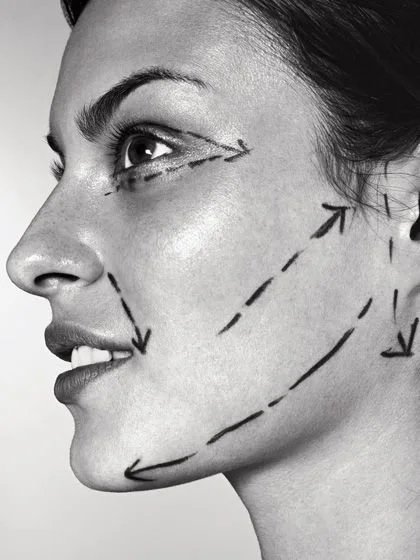
Deep Dive about MedSanctuary. Surgical Experience, Surgeon, Care Program and more.
This blog provides clear, professional guidance for international patients considering plastic surgery in Thailand, highlighting MedSanctuary’s affordable all-inclusive packages, comprehensive post-op care program, and comfortable accommodation options. It explains how procedures can cost up to 70% less than in many patients’ home countries without compromising safety or quality, outlines pre-travel planning and surgical consultation steps, and emphasizes accreditation, experienced surgeons, and personalized recovery support. Practical tips on choosing the right procedure, understanding risks, preparing for travel, and maximizing recovery outcomes are included, alongside patient testimonials and transparent pricing to help readers make informed decisions with confidence.
Med Sanctuary: A Comparative Strategic Analysis for the Australian Market

1. The Medical Tourism Paradigm: A New Standard for Australian Patients
For the Australian patient, the domestic surgical landscape is increasingly defined by a restrictive dichotomy: prohibitive private healthcare costs on one hand, and exhausting public waiting lists on the other. While medical tourism has long been a fallback, the historical "leap of faith" associated with fragmented offshore options often compromises patient safety and outcome quality. Med Sanctuary represents a strategic paradigm shift, moving beyond mere facilitation to an integrated "continuity of care" model. By bridging the gap between world-class Thai surgical expertise and Australian clinical expectations, we ensure that the patient’s journey is defined by the core brand promise: “Expert hand, never on your own.”
The Med Sanctuary Philosophy is anchored by three strategic pillars designed to eliminate surgical uncertainty:
Uncompromising Safety: Every facility within the network is rigorously vetted to meet Australian-standard protocols. Safety is not a variable; it is a non-negotiable baseline supported by international hospital accreditation.
Surgical Artistry: We prioritize board-certified leaders, specifically Dr. Dominic Rushapol, who brings over 25 years of specialized expertise. This ensures results that are medically sound and aesthetically refined.
Seamless Concierge: Our "Never on Your Own" protocol manages the entire logistical architecture—from private medical transfers and nurse-supported recovery suites to 30-meal nutritional plans and long-term aftercare.
These pillars form a protective "sanctuary," removing the psychological and logistical burdens of overseas surgery and replacing the traditional "leap of faith" with a structured, professional medical pathway.
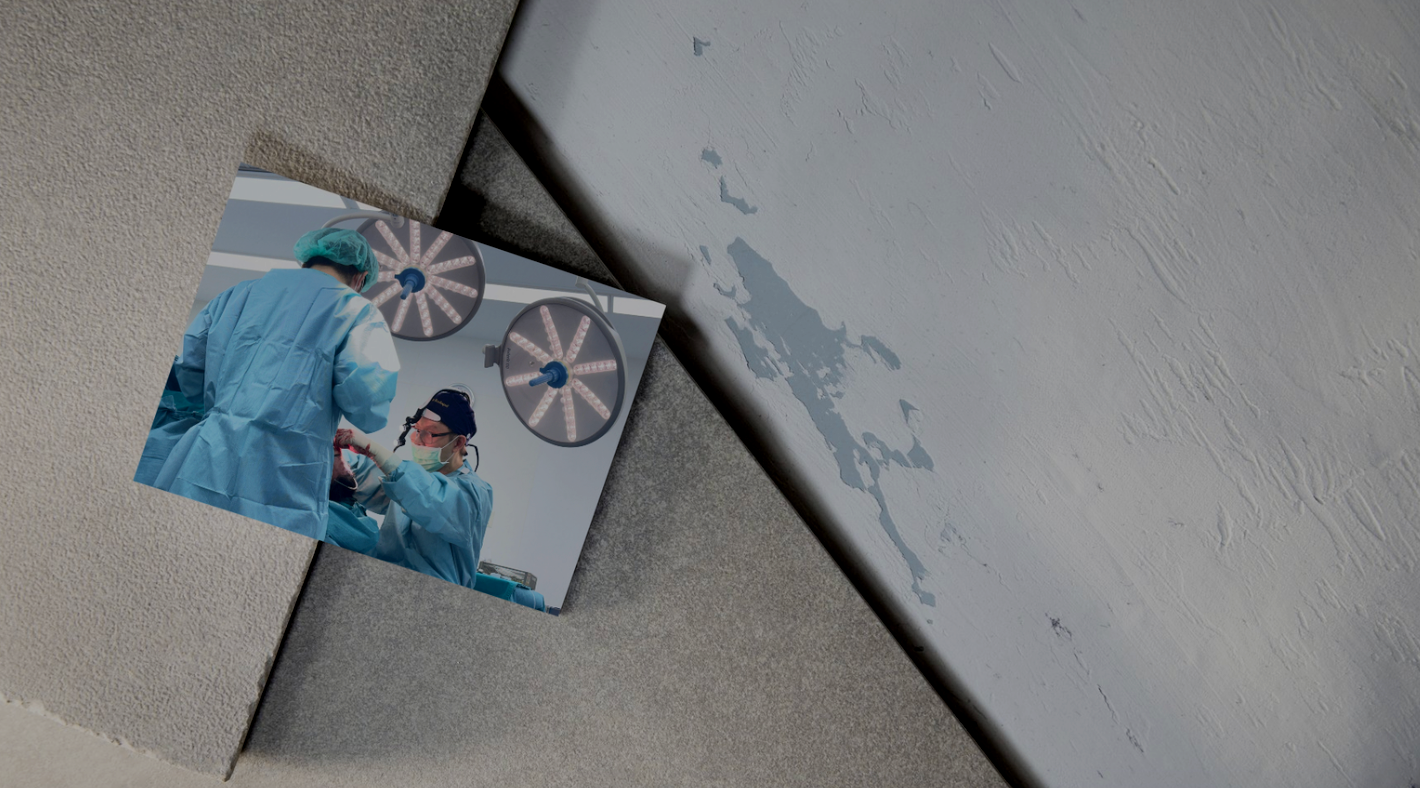
2. Clinical Superiority: The Dr. Dominic Rushapol & Intrarat Synergy
In high-stakes aesthetic surgery, the credentials of the lead surgeon and the technical capacity of the facility are the primary determinants of risk mitigation. Med Sanctuary’s partnership with Dr. Dominic Rushapol and Intrarat Hospital provides a level of clinical synergy rarely found in standard medical tourism.
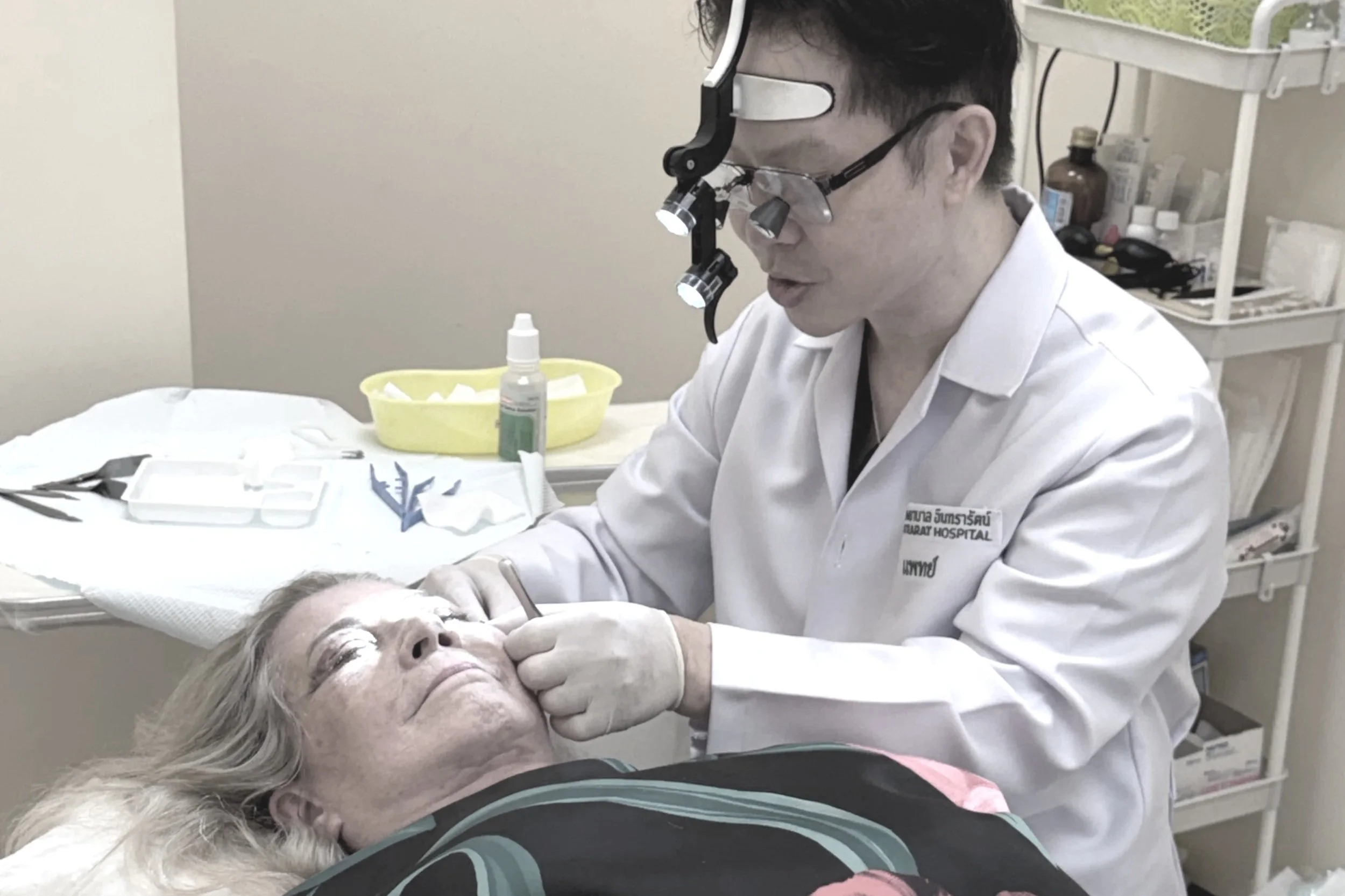
Surgeon Profile: Dr. Dominic Rushapol

Dr. Dominic Rushapol is a Board-Certified Plastic Surgeon with 28 years of clinical experience. A member of the International Society of Aesthetic Plastic Surgery (ISAPS) since 2008, he is a recognized expert in "Deep Plane" techniques and performs the complete range of plastic surgery, including complex facial rejuvenation and major body contouring. His veteran status ensures that patients receive the highest level of surgical precision.
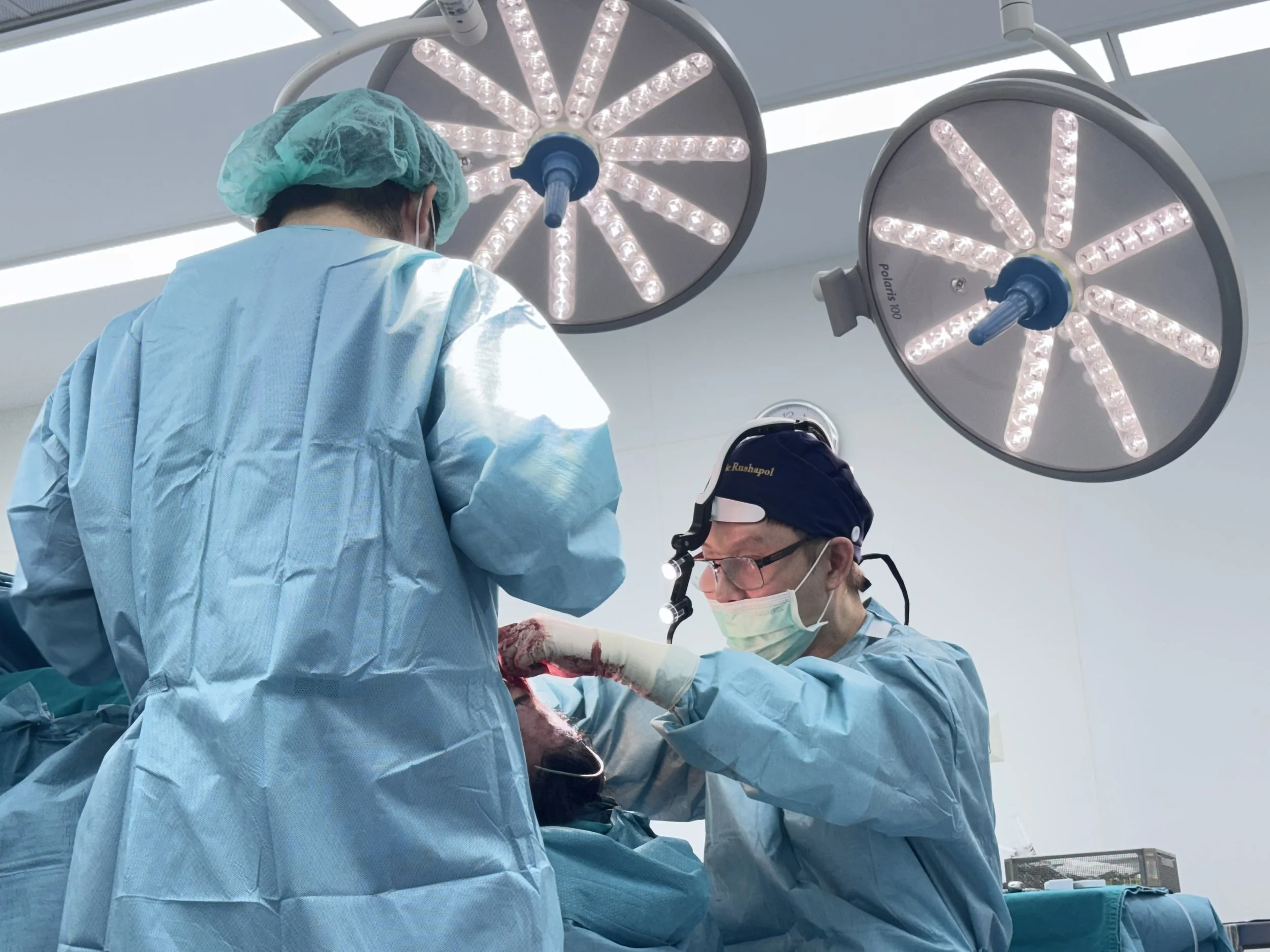
Facility Infrastructure: Intrarat Hospital
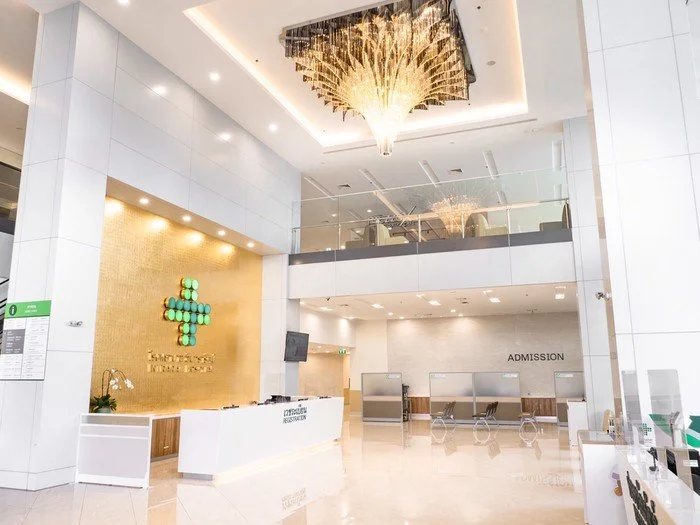
The surgical home for Med Sanctuary is Intrarat Hospital, a facility holding ISO 9001:2015 and ISAPS/ASPS accreditations. Unlike small outpatient clinics, Intrarat provides a full hospital infrastructure, including 24/7 ICU access and multidisciplinary emergency support.
This foundation of clinical safety provides the necessary security to proceed with the logistical and financial components of the journey.
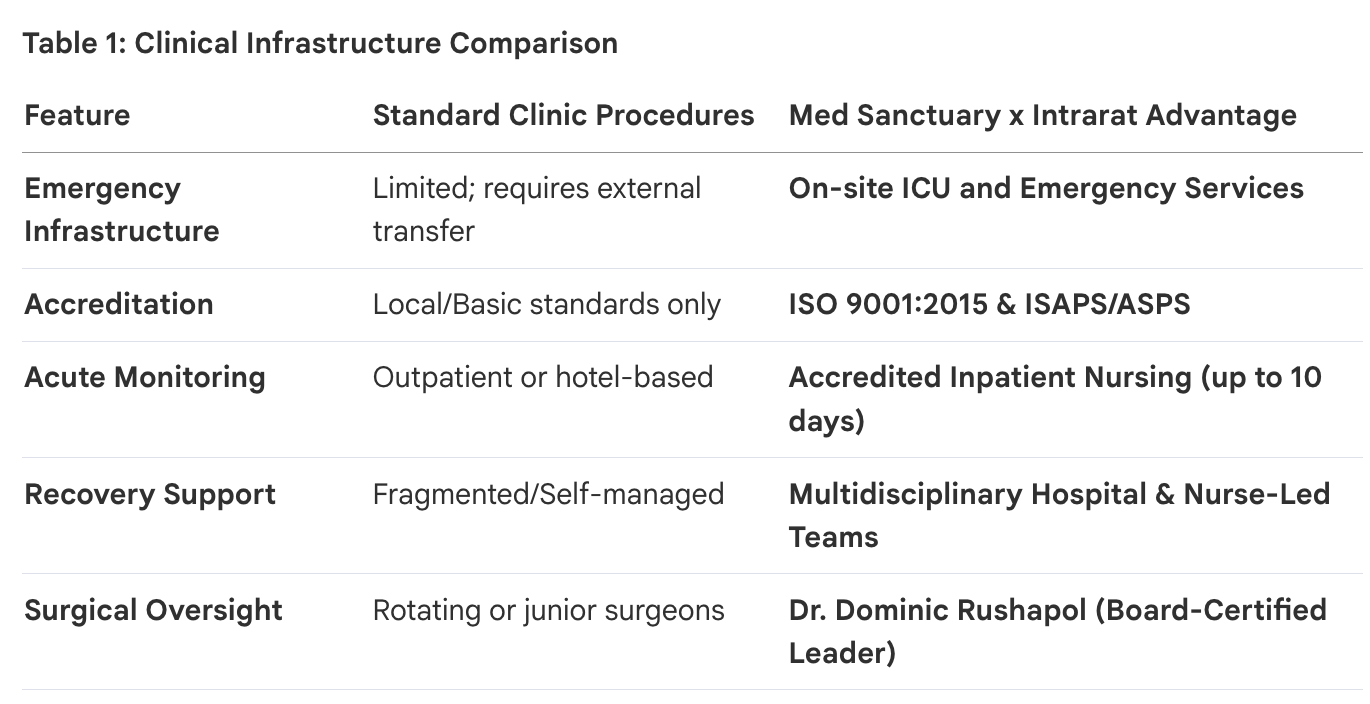
3. Financial Architecture: Transparent Value vs. Domestic Australian Costs
For Australian patients, financial transparency is as vital as clinical safety. Med Sanctuary utilizes a fixed, all-inclusive AUD pricing model that eliminates the volatility of currency fluctuations and the "bill shock" common in Australian private hospitals, where theatre fees, anaesthesia, and pathology are often billed separately.
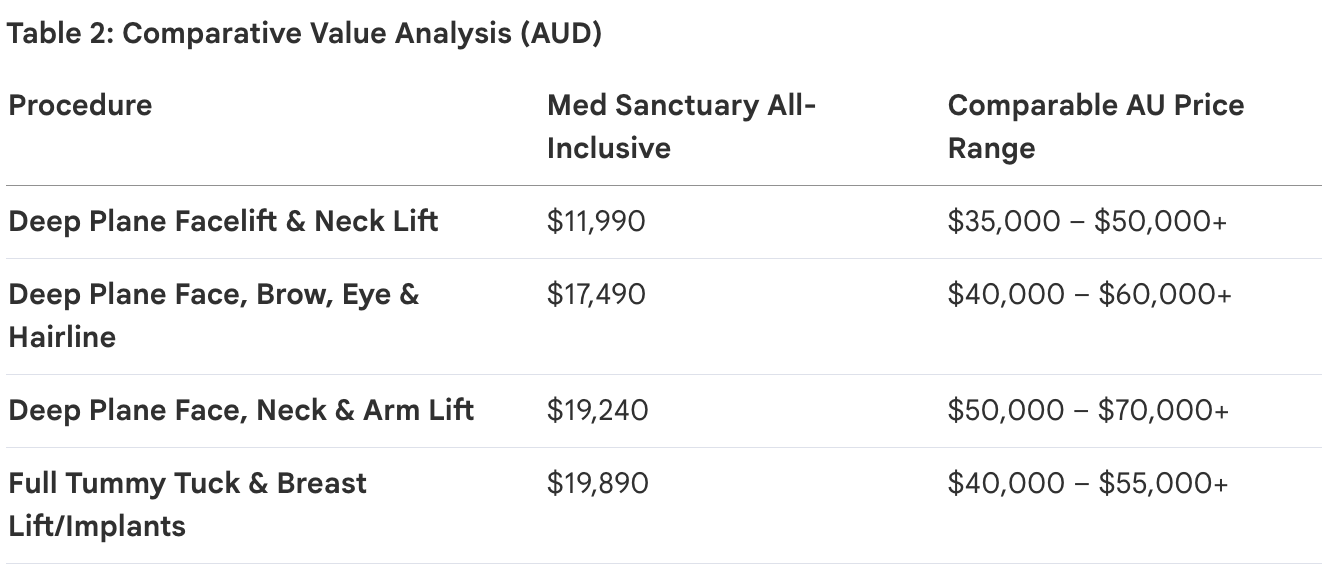

The "Grand Total All-Inclusive" Definition Med Sanctuary replaces fragmented billing with a comprehensive bundle. For example, a standard facial or body package includes:
Surgical Infrastructure: All surgeon, anaesthetist, and operating room fees.
Acute Care: Pre-operative labs (Blood work, Chest X-Ray, EKG) and ICU ward monitoring.
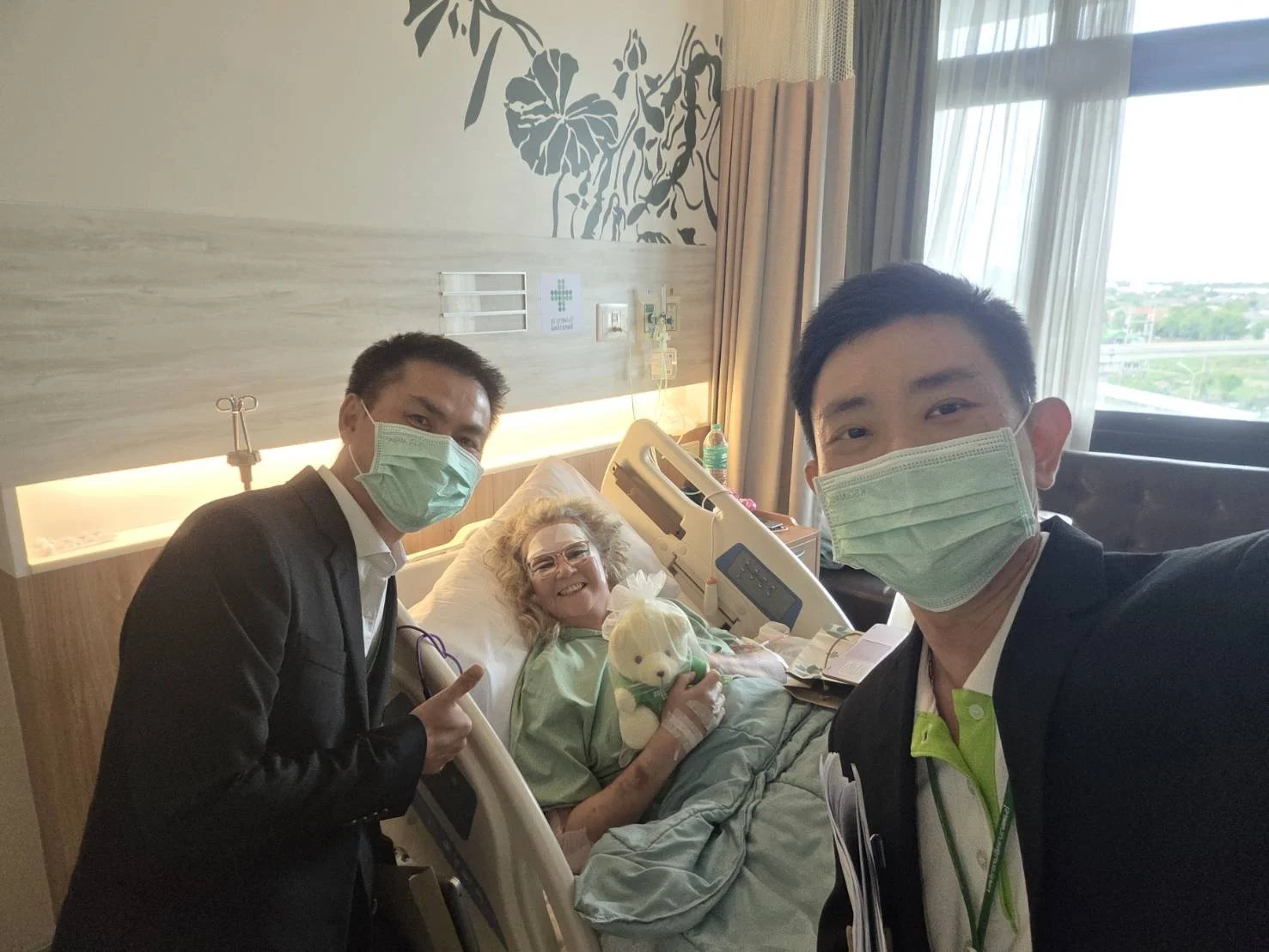
Integrated Recovery: Hospital inpatient stay (3–10 nights) followed by nurse-supported service apartments.
Concierge & Support: 30 meals, all private medical transfers, and 1-year follow-up.
Recovery Materials: Post-op medications (Antibiotics/Pain relief), wound care sets, and compression garments.
The 70% cost saving realized by patients does not represent a compromise in care; rather, it is the result of a structural advantage within the Thai medical ecosystem, where elite hospital infrastructure and board-certified expertise are available without the extreme overheads of the Australian private sector.
4. The 14-Day Integrated Recovery Ecosystem
The "Acute Post-Op" phase is the clinical gold standard for international surgery. While some body-focused packages are tailored to a 12-day window, Med Sanctuary recommends a 14-day integrated stay to ensure patients are "Fit-to-Fly." The duration of the hospital-based acute phase is determined by procedure complexity: 3–4 days for facial work and up to 10 days for complex body procedures like Belt Lipectomies.
The 14-Day Integrated Timeline:
Day 0: Arrival & Pre-Op: Private airport transfer, hospital check-in, and comprehensive health screening (Blood tests/EKG).
Day 1: Surgery Day: Procedures performed at Intrarat Hospital under general anaesthesia.
Day 2–10: Acute Phase: Inpatient hospital care. For major body work, this full 10-night stay (as seen in the Nadine protocol) provides 24/7 nursing and drain management.
Day 5–9 (Face/Mid-Body): Transition to nurse-supervised service apartments for those cleared earlier.
Recovery Enhancements: Inclusion of IV Drip sessions (Day 5), Hair Wash services, and Proton/Red Light Therapy to accelerate tissue repair.
Day 12–14: Refinement & Discharge: Suture removal, final review by Dr. Dominic, and provision of the home-going care kit.
Advanced Recovery Modalities:
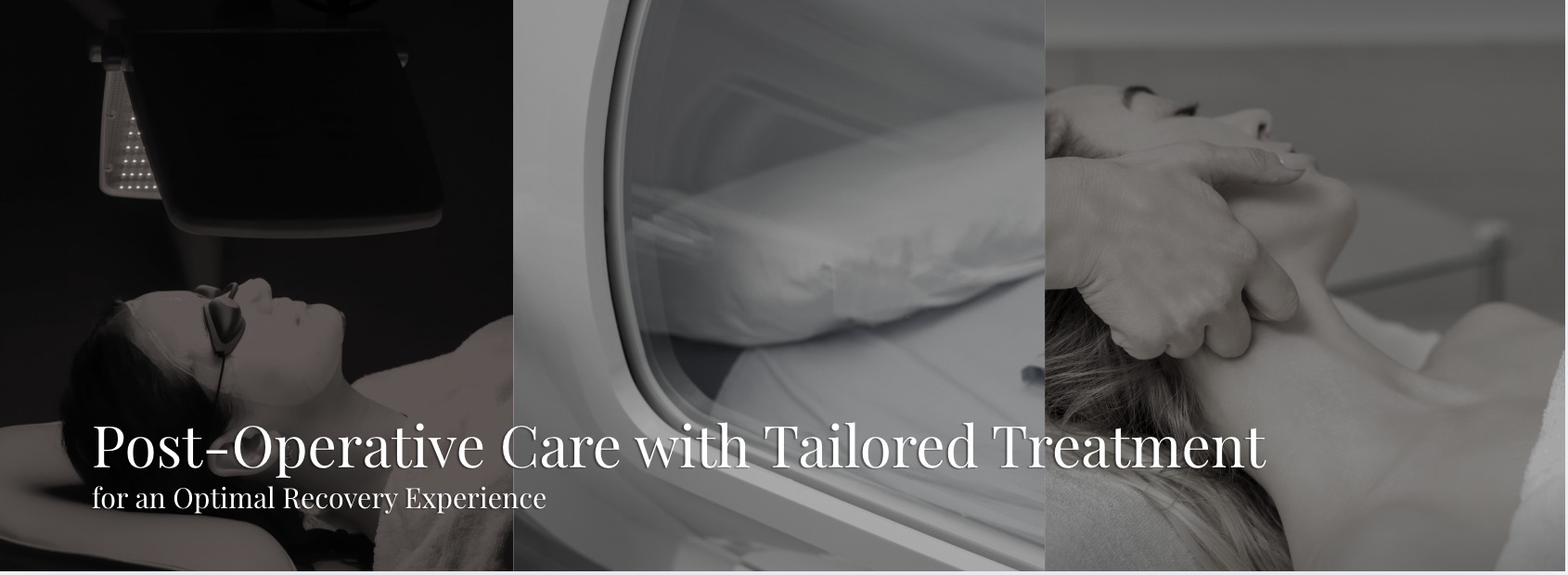
Proton & Red Light Therapy: Used specifically to reduce post-surgical inflammation and stimulate cellular healing.
Lymphatic Recovery: Specialized techniques to manage swelling and improve circulation, reducing overall downtime.
5. Long-Term Risk Mitigation and Australian-Standard Protocols
Med Sanctuary distinguishes itself through a rigorous "Australian-Standard" screening and a transparent revision policy that prioritizes long-term patient advocacy.

The Revision & Aftercare Policy We provide a 1-year follow-up program managed by our medical team. In the rare event of a clinical complication, the "Never on Your Own" policy is clear: Med Sanctuary and Dr. Dominic assume responsibility for all medical, surgical, and post-operative costs. Under these transparent terms, the patient is responsible only for their travel costs and airfares.
Rigorous Pre-Operative Screening To mirror Australian safety standards, patients undergo an intensive screening process to identify potential clinical flags:
GLP-1 Medication Management: Mandatory cessation of medications like Ozempic or Wegovy (frequently used for weight loss or lipoedema) to ensure anaesthetic safety.
Cardiac & Oncology Review: Specific clearance is required for patients with a history of SVT Ablation (cardiac) or Breast Cancer.
Specialized Assessments: Rigorous review for patients with lipoedema or significant weight loss to tailor surgical staging and inpatient durations.
Standardized Labs: Full lipid, liver function, and haematology panels must be cleared by the surgical team before arrival.

Med Sanctuary remains the premier choice for Australians because we treat offshore surgery not as a transaction, but as a high-value clinical journey. By combining the "Expert hand" of Dr. Dominic with a "Never on Your Own" support structure, we provide a safe, world-class alternative to the domestic healthcare gap.
