
Plastic Surgery in Thailand vs Other Countries: An Honest Comparison
The benefits of plastic surgery in Thailand compared with Australia, Turkey, South Korea, Malaysia and Mexico for Australian and New Zealand patients, plus the honest downsides.
Short answer: For Australians and New Zealanders, Thailand's main advantages over other cosmetic surgery destinations are practical ones:
Direct flights of about nine hours from Sydney and Melbourne.
A time difference of only three to four hours from the east coast of Australia.
A large private hospital sector that is used to international patients.
Established recovery accommodation with nurse monitoring and coordinator support.
Total costs that are usually well below Australian private fees.
The trade-offs are the same as for any overseas surgery. Medicare and most insurance will not cover you, your surgeon is far away once you are home, and quality varies widely between providers. So the surgeon you choose matters more than the country.
By the MedSanctuary team, Bangkok. Updated October 2026.
What are the benefits of choosing plastic surgery in Thailand compared with other countries?
Thailand's benefits come down to distance, cost, hospital infrastructure and recovery support. None of them replaces checking the individual surgeon, but together they make the trip simpler for patients from Australia and New Zealand than most alternatives.
Shorter travel: There are direct flights from Sydney, Melbourne and Perth to Bangkok. A shorter flight home is easier after surgery and means less time sitting still on the plane.
A small time difference: Bangkok is three to four hours behind Sydney and Melbourne. You can reach your coordinator and surgeon during their working day, both before and after surgery.
Cost: Lower wages, hospital overheads and insurance costs mean a Bangkok package often costs a fraction of Australian private fees, even after flights and accommodation. Our article why plastic surgery is cheaper in Thailand explains where the difference comes from.
Hospitals: Bangkok has many private hospitals with international patient departments, intensive care units and 24-hour emergency care. Some hold JCI accreditation and others hold different certifications. You can check any named hospital's status yourself.
Surgeon training: Board-certified Thai plastic surgeons complete specialist training in plastic and reconstructive surgery, and many add fellowships abroad. Not everyone offering cosmetic surgery holds that training, but any doctor's licence can be checked on a public register.
Recovery support: Bangkok has an established system of recovery hotels and serviced apartments with nurse monitoring, which suits patients who need to stay for one to two weeks.
How does plastic surgery in Thailand compare with Australia?
Australia's main advantage is continuity of care. Your surgeon is nearby if a complication appears weeks later, you are covered by Australian consumer protections, and cosmetic surgery is regulated by Ahpra. Since 1 July 2023, Australian patients have needed a GP referral, two consultations and a cooling-off period of at least seven days before cosmetic surgery. Some procedures, such as abdominoplasty after significant weight loss in certain circumstances, can attract a Medicare item number, which may bring private health cover into play. Thailand's main advantage is cost, often with a recovery package included. If cost is not the deciding factor for you, having surgery close to home is the simpler choice. Our facelift, tummy tuck and breast surgery cost guides compare the two line by line.
How does Thailand compare with Turkey for cosmetic surgery?
Turkey is a well-known destination, particularly for hair transplants, rhinoplasty and body procedures. For Australians the main difference is distance. Travel to Istanbul usually takes more than 20 hours with at least one stop, and Istanbul is seven to eight hours behind Sydney. A longer journey home adds to the risk of blood clots after surgery, and the large time difference makes follow-up calls harder once you are back. The same checks apply in either country: a named surgeon, a verifiable licence, a hospital with emergency backup and a written aftercare plan.
How does Thailand compare with South Korea for cosmetic surgery?
Seoul is known for facial surgery, including eyelid surgery and facial bone contouring. Direct flights from Sydney take roughly ten to eleven hours, and Seoul is only one to two hours behind Sydney, so travel is comparable to Bangkok. Patients often compare the two for facial procedures. As with any destination, judge the individual surgeon's training and experience with your particular concern rather than the country's reputation. (Dr. Rushapol Sdawat, for example, completed facial bone contouring training in Seoul as part of his international training.)
How does Thailand compare with Malaysia for cosmetic surgery?
Malaysia is also close to Australia. Flights to Kuala Lumpur take around eight hours from Sydney, and Malaysia is two to three hours behind Sydney. Malaysia's government-backed Malaysia Healthcare Travel Council promotes hospitals that serve international patients. Bangkok has a larger private cosmetic surgery sector and more recovery accommodation built for surgical patients, while some patients prefer Kuala Lumpur or Penang for a quieter stay. Both require the same checks on the surgeon and hospital.
How does Thailand compare with Mexico for cosmetic surgery?
Mexico mainly serves patients from the United States. There are no non-stop flights from Australia, so travellers usually connect through the United States, which requires US transit authorisation, and the total journey is long. Mexico City is around 16 to 17 hours behind Sydney. For Australians and New Zealanders, the travel time and time difference make Mexico a harder option for both recovery and follow-up.
What are the downsides of having plastic surgery in Thailand?
Being honest about the downsides is part of making a good decision:
Medicare does not cover treatment overseas, and Australian private health insurance generally does not cover overseas procedures or the follow-up treatment of complications. See Medicare and health funds.
Your surgeon is far away once you are home. Plan your follow-up before you leave.
Quality varies widely between providers, from large hospitals to small clinics. Australian and New Zealand plastic surgery bodies have warned about this publicly. Read what the regulators say and is cosmetic surgery in Thailand safe?.
Bangkok is hot and humid for much of the year, which can make compression garments uncomfortable during recovery.
Any surgery can need revision, and arranging a revision overseas adds cost and travel.
How do I decide which country is right for me?
Choose the surgeon first, then the country. Shortlist surgeons whose licence and specialist training you can verify, who operate in a hospital with emergency backup, and who will give you an itemised quote and a written aftercare plan. Then weigh the travel time, time difference, length of stay and follow-up arrangements for each option. Our planning checklist for cosmetic surgery abroad takes you through each step.
Where does MedSanctuary fit?
MedSanctuary is a Bangkok medical travel practice for patients from Australia and New Zealand. Surgery is performed by Dr. Rushapol Sdawat, a Thai Board-certified plastic and reconstructive surgeon (Medical Council of Thailand licence No. 17689), at Intrarat Hospital. The hospital is ISO 9001:2015 certified and is not JCI-accredited. We give you an itemised quote in Thai baht with an indicative AUD figure, and packages include recovery accommodation and coordinator support. Request a free assessment to see whether it suits you.
This article is general information, not medical advice. Any surgical or invasive procedure carries risks. Before proceeding, you should seek a second opinion from an appropriately qualified health practitioner.
How to Book a Consultation With Dr. Rushapol Sdawat in Bangkok
How Australians and New Zealanders book a consultation with Dr. Rushapol Sdawat through MedSanctuary: free photo assessment, itemised quote, video consultation, then an in-person consultation in Bangkok.
Short answer: To book a consultation with Dr. Rushapol Sdawat (known to international patients as Dr. Dominic), send your photos and goals to MedSanctuary through the free online assessment form, on WhatsApp (+66 90 910 7901) or by email (surgery@medsanctuary.com). MedSanctuary is the Bangkok medical travel practice that coordinates Dr. Rushapol's Australian and New Zealand patients at Intrarat Hospital. You receive a written recommendation and an itemised quote first, then a video consultation with Dr. Rushapol, and a face-to-face consultation in Bangkok before any surgery goes ahead.
By the MedSanctuary team, Bangkok. Updated October 2026.
Who is Dr. Rushapol Sdawat?
Dr. Rushapol Sdawat is a Thai plastic and reconstructive surgeon based in Bangkok. He holds Medical Council of Thailand licence No. 17689, studied medicine at Siriraj Hospital, Mahidol University, completed his plastic and reconstructive surgery residency (Thai Board) at Ramathibodi Hospital, Mahidol University, from 1998 to 2000, and has been a member of the International Society of Aesthetic Plastic Surgery (ISAPS) since 2008. He operates at Intrarat Hospital in Bangkok. His work covers facial surgery (deep plane facelift, neck lift, brow lift, eyelid surgery and rhinoplasty), breast surgery and body contouring. You can read his full training history on his surgeon profile, and we encourage you to check his licence yourself before you go any further.
How do I book a consultation with Dr. Rushapol from Australia or New Zealand?
Booking happens in five steps. The first two cost nothing and do not commit you to anything.
Send your photos and goals. Use the assessment form, WhatsApp or email. Tell us what you would like to change and attach clear photos (the details are in the next section).
Receive your written recommendation and itemised quote. Dr. Rushapol reviews your photos and medical history. We then send you a written recommendation that explains the procedure he suggests and why, along with an itemised quote in Thai baht and an indicative figure in Australian dollars.
Have a video consultation with Dr. Rushapol. Talk with him directly about the technique, the risks, recovery and whether you are a suitable candidate. Bring your questions. Our list of questions to ask a surgeon is a good place to start.
Choose your dates. Your coordinator confirms the surgery date, how long you need to stay and where you will recover, so that you can book flights and leave.
See him in person in Bangkok. At least one day before surgery you have a face-to-face consultation with Dr. Rushapol and a pre-operative health check. Surgery goes ahead only when you are cleared for it.
What should I send with my first enquiry?
The more complete your first message is, the more useful your recommendation will be. Please include:
The areas you want to change and what bothers you about them, in your own words.
Photos in good, even light. For the face, take them from the front, both sides and at 45 degrees, with your hair tied back and no makeup. For the body, take them from the front, side and back.
Your age, height and weight.
Your medical conditions, regular medicines and supplements, and any allergies.
Whether you smoke or vape.
Any previous surgery, especially in the area you want treated.
The dates you would like to travel, and whether a support person will come with you.
Is the first consultation with Dr. Rushapol free?
Yes. The photo assessment, the written recommendation and the itemised quote are free, with no deposit and no obligation. If anything in your plan would involve a fee, you will be told in writing before you agree to it.
What are MedSanctuary's contact hours in Australian and New Zealand time?
We are available Monday to Friday, 10am to 6pm Bangkok time. Bangkok is UTC+7 and does not use daylight saving, so in your time that is:
Sydney, Melbourne, Canberra and Hobart: 1pm to 9pm (2pm to 10pm during daylight saving)
Brisbane: 1pm to 9pm
Adelaide: 12:30pm to 8:30pm (1:30pm to 9:30pm during daylight saving)
Perth: 11am to 7pm
New Zealand: 3pm to 11pm (4pm to midnight during daylight saving)
Our full contact details are on the contact page.
Can I meet Dr. Rushapol in person before surgery?
Yes, and every patient does. After you arrive in Bangkok you see Dr. Rushapol face to face, at least one day before your operation. He examines you, confirms the plan and answers your remaining questions. On the same visit you have a pre-operative health check, which includes blood tests, an ECG where indicated and an anaesthetic assessment. If the examination changes his recommendation, he tells you before anything goes ahead.
Where does Dr. Rushapol operate?
He operates at Intrarat Hospital on Ram Inthra Road, Bangkok 10230. It is a private hospital with an intensive care unit, an international ward and 24-hour emergency care. Intrarat Hospital is ISO 9001:2015 certified. It is not JCI-accredited, and we do not say that it is. Airport transfers in Bangkok are included in MedSanctuary packages.
Is MedSanctuary the same as Dr. Rushapol's clinic?
No. MedSanctuary is an independent, registered Thai company that coordinates international patients. Surgery is performed by Dr. Rushapol at Intrarat Hospital, and all clinical decisions are his. We look after everything around the surgery: the assessment process, quotes, scheduling, airport transfers, recovery accommodation and a coordinator who supports you from your first message until your follow-up at home. You can see how it fits together on how it works.
What happens after I book?
Once you have chosen a date, your coordinator sends you a written itinerary. It covers your arrival, your pre-operative check, surgery, your recovery stay and your fitness-to-fly review. It also lists what to bring and what to stop before surgery, such as smoking and certain medicines, as Dr. Rushapol advises. Our guides on how long you will stay and what to bring explain both in detail.
Ready to start? Request your free assessment.
This article is general information, not medical advice. Any surgical or invasive procedure carries risks. Before proceeding, you should seek a second opinion from an appropriately qualified health practitioner.
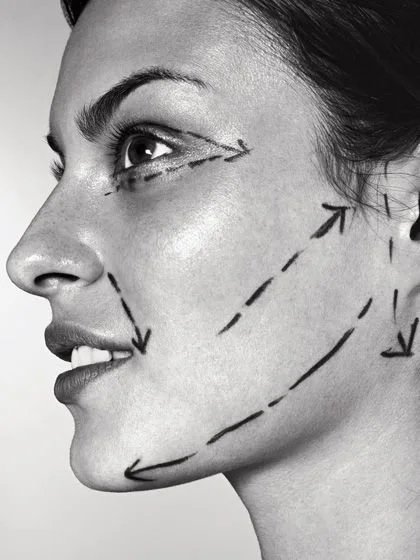
Deep Dive about MedSanctuary. Surgical Experience, Surgeon, Care Program and more.
This blog provides clear, professional guidance for international patients considering plastic surgery in Thailand, highlighting MedSanctuary’s affordable all-inclusive packages, comprehensive post-op care program, and comfortable accommodation options. It explains how procedures can cost up to 70% less than in many patients’ home countries without compromising safety or quality, outlines pre-travel planning and surgical consultation steps, and emphasizes accreditation, experienced surgeons, and personalized recovery support. Practical tips on choosing the right procedure, understanding risks, preparing for travel, and maximizing recovery outcomes are included, alongside patient testimonials and transparent pricing to help readers make informed decisions with confidence.
Med Sanctuary: A Comparative Strategic Analysis for the Australian Market

1. The Medical Tourism Paradigm: A New Standard for Australian Patients
For the Australian patient, the domestic surgical landscape is increasingly defined by a restrictive dichotomy: prohibitive private healthcare costs on one hand, and exhausting public waiting lists on the other. While medical tourism has long been a fallback, the historical "leap of faith" associated with fragmented offshore options often compromises patient safety and outcome quality. Med Sanctuary represents a strategic paradigm shift, moving beyond mere facilitation to an integrated "continuity of care" model. By bridging the gap between world-class Thai surgical expertise and Australian clinical expectations, we ensure that the patient’s journey is defined by the core brand promise: “Expert hand, never on your own.”
The Med Sanctuary Philosophy is anchored by three strategic pillars designed to eliminate surgical uncertainty:
Uncompromising Safety: Every facility within the network is rigorously vetted to meet Australian-standard protocols. Safety is not a variable; it is a non-negotiable baseline supported by international hospital accreditation.
Surgical Artistry: We prioritize board-certified leaders, specifically Dr. Dominic Rushapol, who brings over 25 years of specialized expertise. This ensures results that are medically sound and aesthetically refined.
Seamless Concierge: Our "Never on Your Own" protocol manages the entire logistical architecture—from private medical transfers and nurse-supported recovery suites to 30-meal nutritional plans and long-term aftercare.
These pillars form a protective "sanctuary," removing the psychological and logistical burdens of overseas surgery and replacing the traditional "leap of faith" with a structured, professional medical pathway.
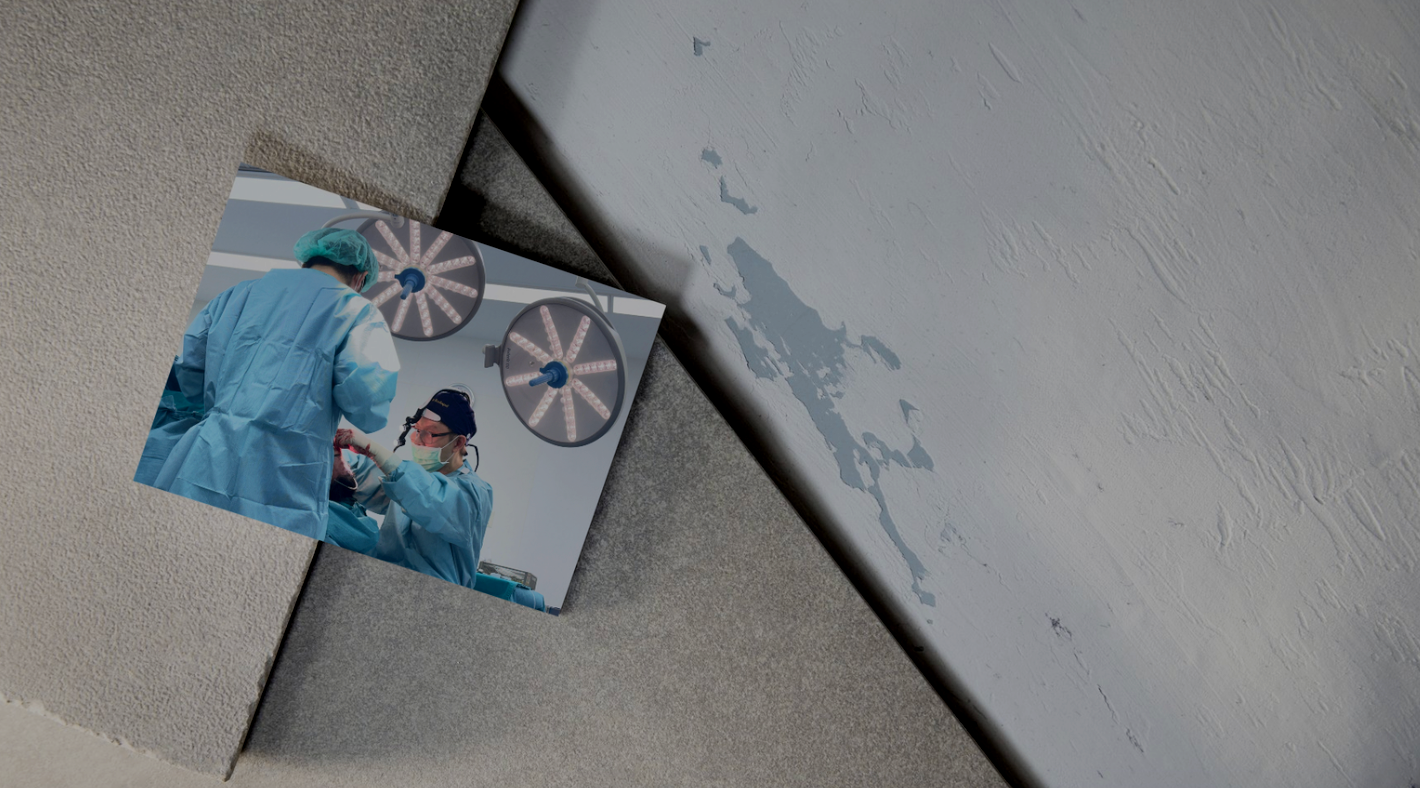
2. Clinical Superiority: The Dr. Dominic Rushapol & Intrarat Synergy
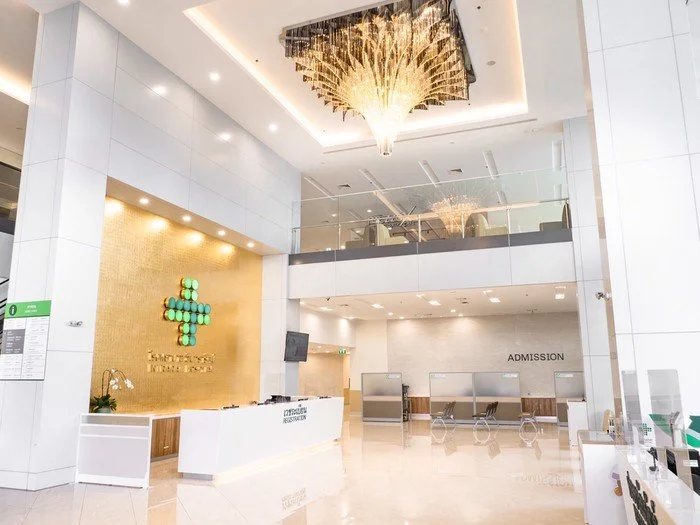
In high-stakes aesthetic surgery, the credentials of the lead surgeon and the technical capacity of the facility are the primary determinants of risk mitigation. Med Sanctuary’s partnership with Dr. Dominic Rushapol and Intrarat Hospital provides a level of clinical synergy rarely found in standard medical tourism.
Surgeon Profile: Dr. Dominic Rushapol
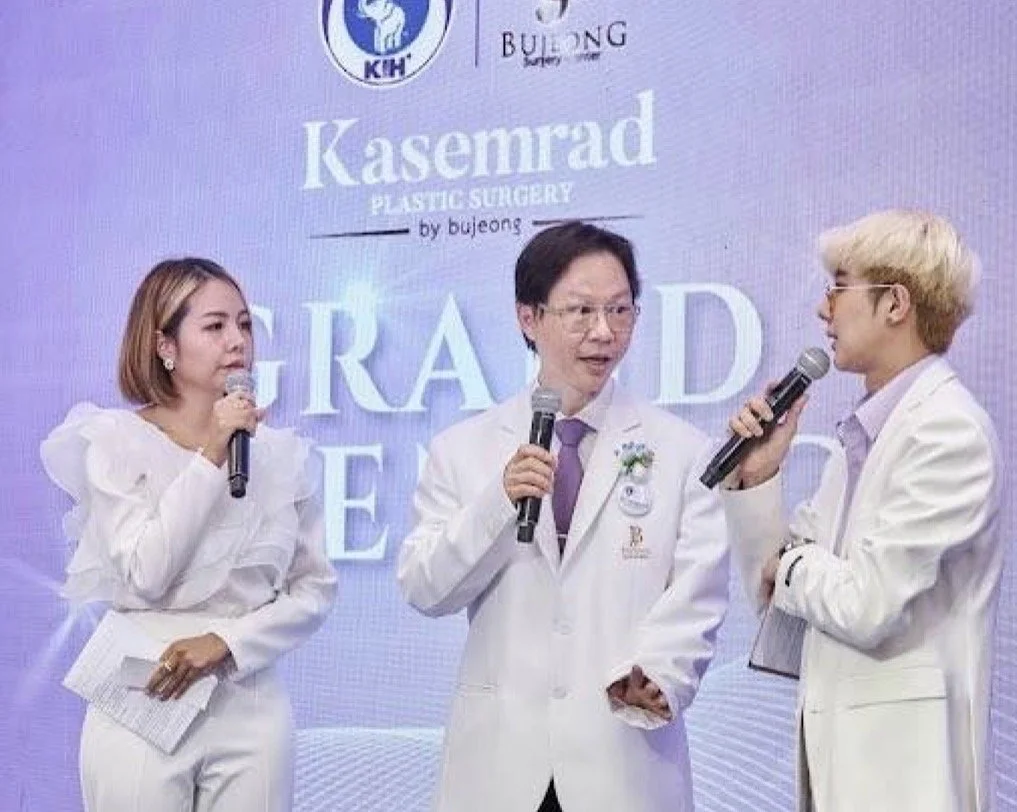
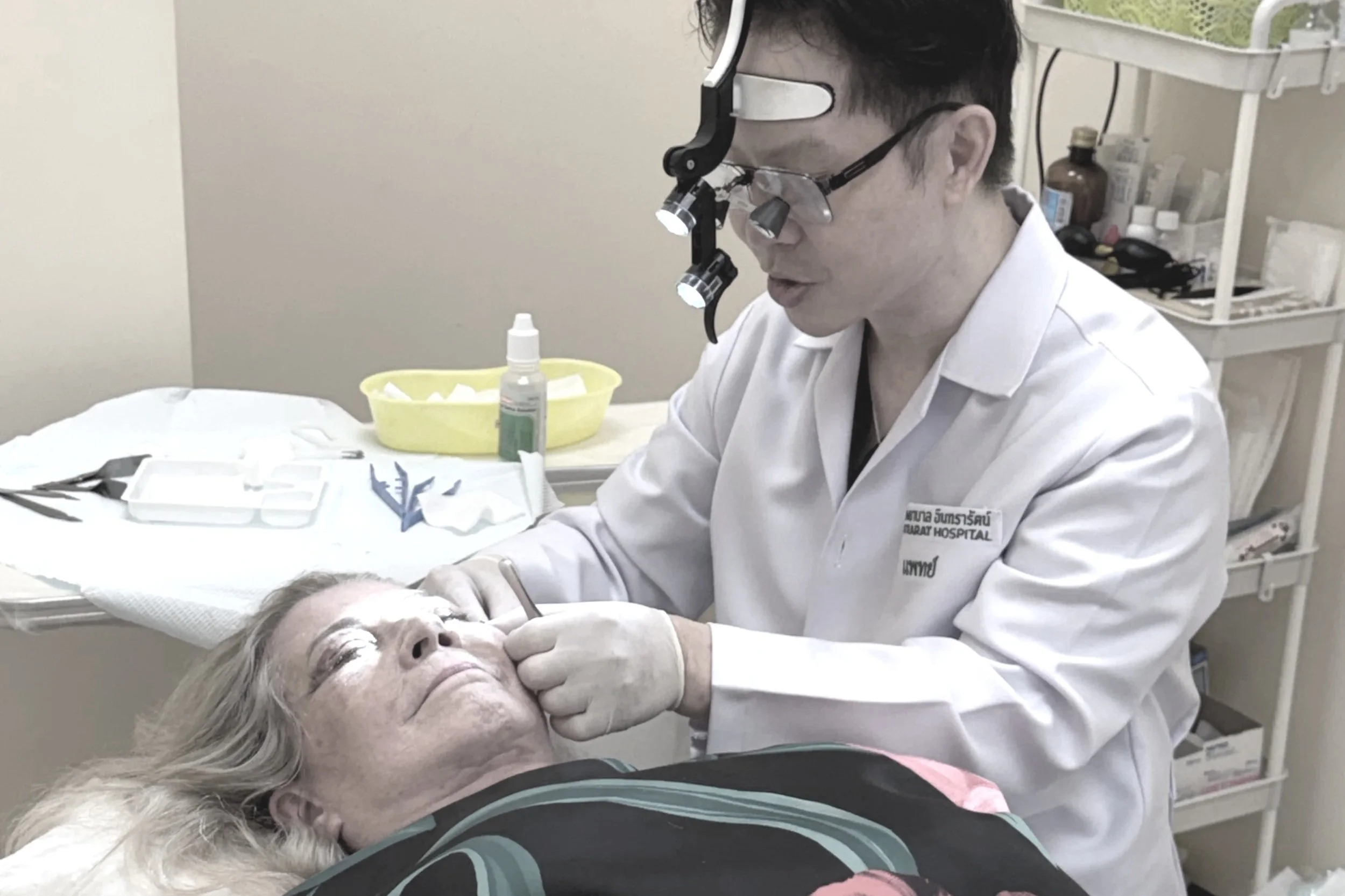
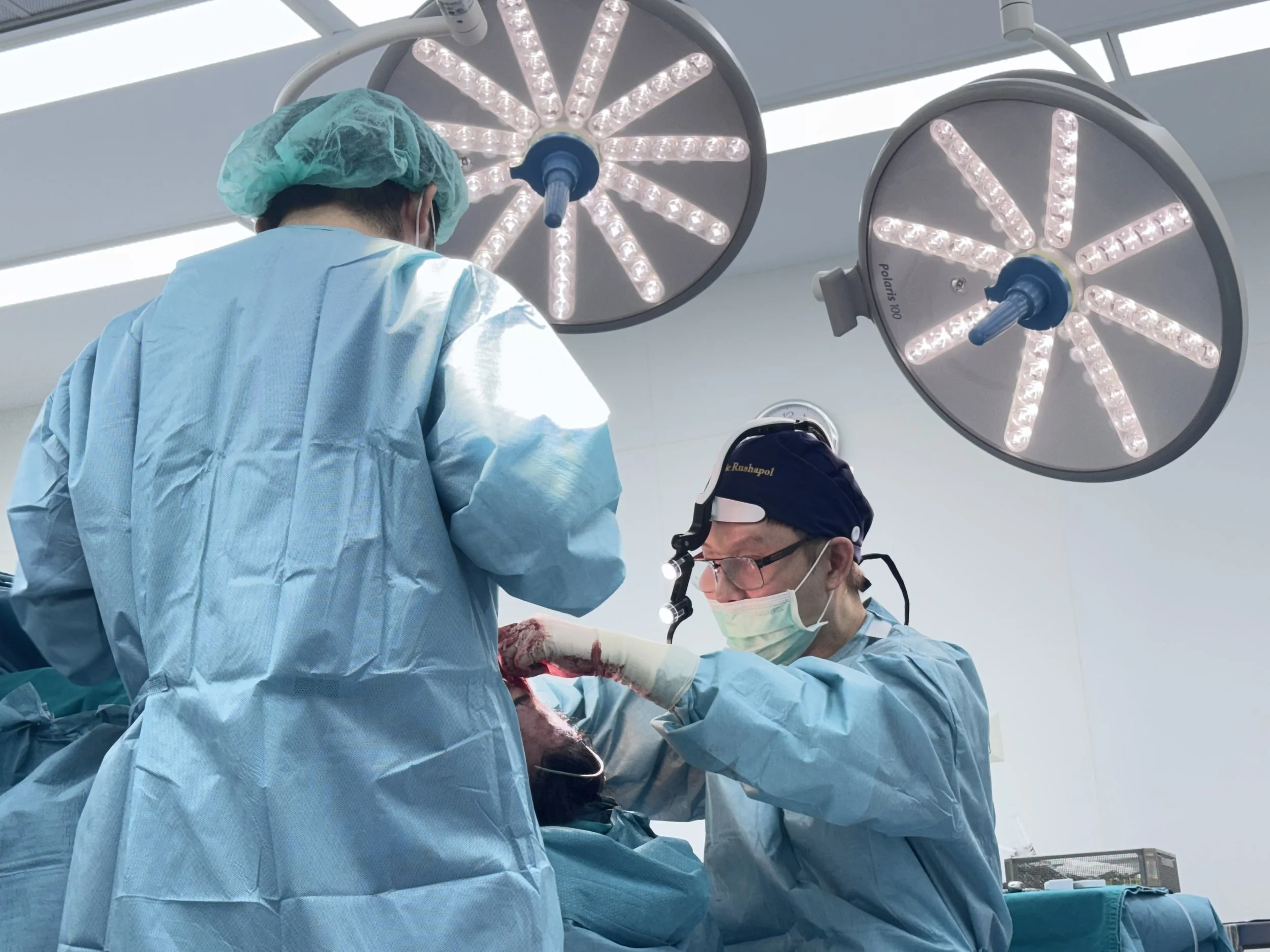
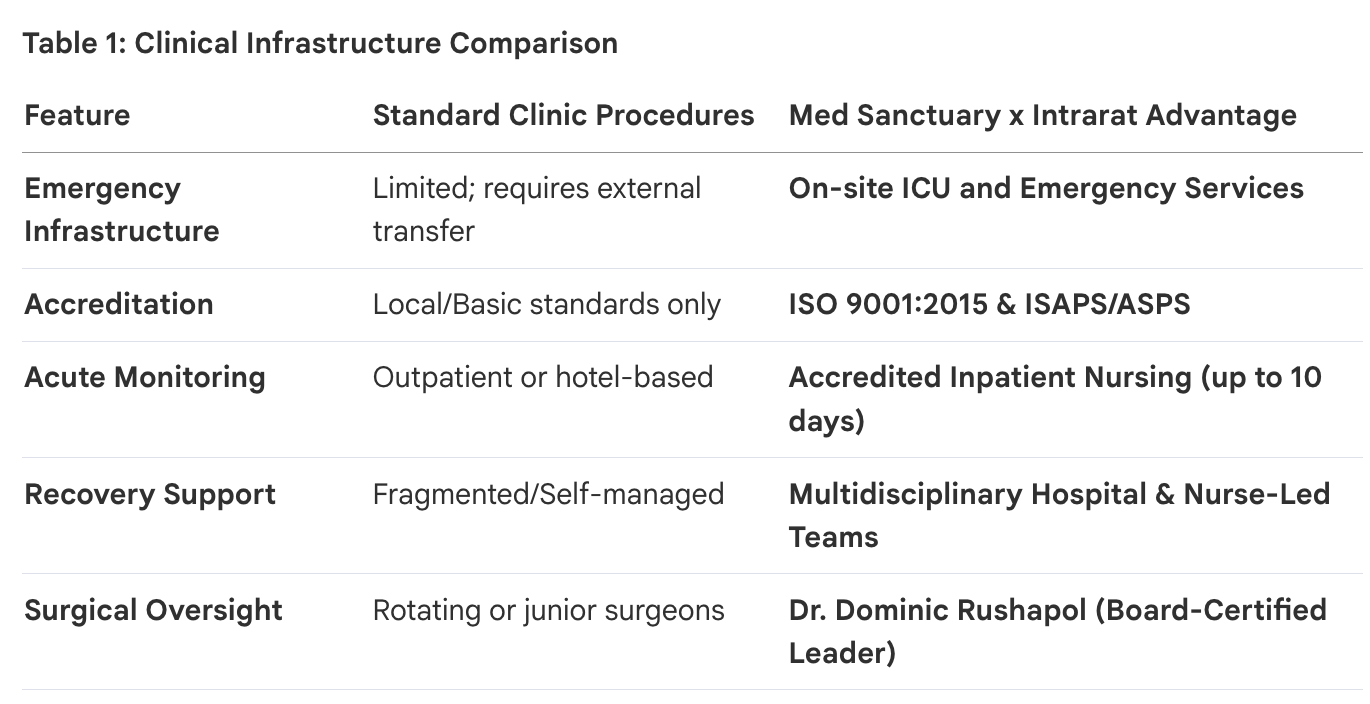
Dr. Dominic Rushapol is a Board-Certified Plastic Surgeon with 28 years of clinical experience. A member of the International Society of Aesthetic Plastic Surgery (ISAPS) since 2008, he is a recognized expert in "Deep Plane" techniques and performs the complete range of plastic surgery, including complex facial rejuvenation and major body contouring. His veteran status ensures that patients receive the highest level of surgical precision.
Facility Infrastructure: Intrarat Hospital
The surgical home for Med Sanctuary is Intrarat Hospital, a facility holding ISO 9001:2015 and ISAPS/ASPS accreditations. Unlike small outpatient clinics, Intrarat provides a full hospital infrastructure, including 24/7 ICU access and multidisciplinary emergency support.
This foundation of clinical safety provides the necessary security to proceed with the logistical and financial components of the journey.
3. Financial Architecture: Transparent Value vs. Domestic Australian Costs
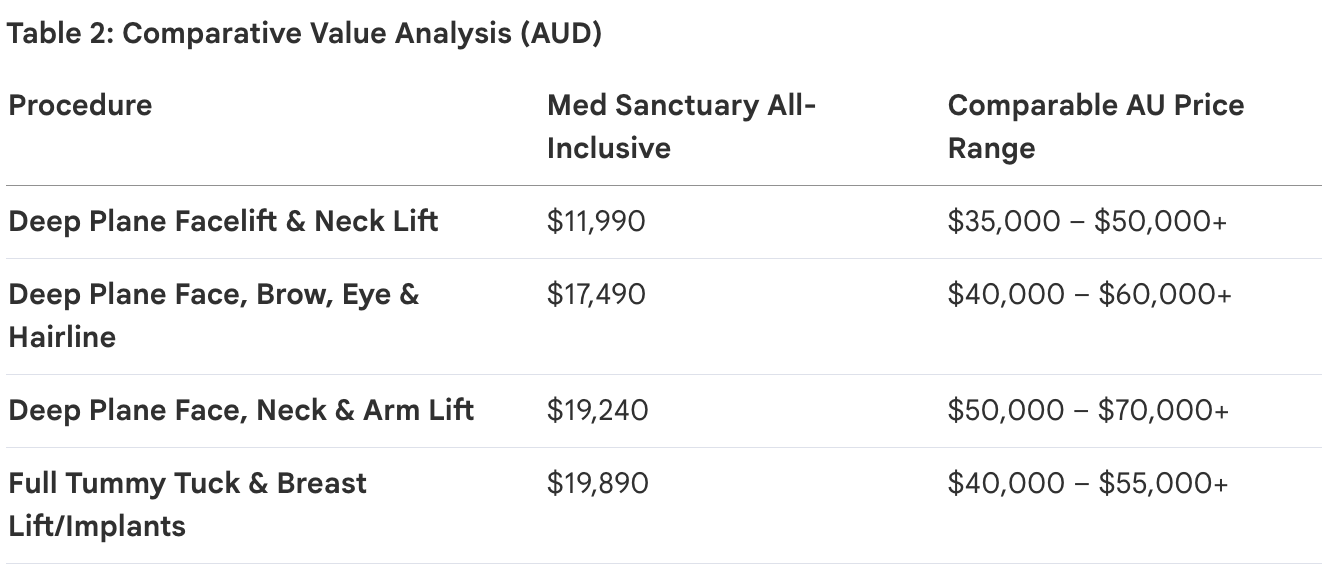
For Australian patients, financial transparency is as vital as clinical safety. Med Sanctuary utilizes a fixed, all-inclusive AUD pricing model that eliminates the volatility of currency fluctuations and the "bill shock" common in Australian private hospitals, where theatre fees, anaesthesia, and pathology are often billed separately.

The "Grand Total All-Inclusive" Definition Med Sanctuary replaces fragmented billing with a comprehensive bundle. For example, a standard facial or body package includes:
Surgical Infrastructure: All surgeon, anaesthetist, and operating room fees.
Acute Care: Pre-operative labs (Blood work, Chest X-Ray, EKG) and ICU ward monitoring.
Integrated Recovery: Hospital inpatient stay (3–10 nights) followed by nurse-supported service apartments.
Concierge & Support: 30 meals, all private medical transfers, and 1-year follow-up.
Recovery Materials: Post-op medications (Antibiotics/Pain relief), wound care sets, and compression garments.
The 70% cost saving realized by patients does not represent a compromise in care; rather, it is the result of a structural advantage within the Thai medical ecosystem, where elite hospital infrastructure and board-certified expertise are available without the extreme overheads of the Australian private sector.
4. The 14-Day Integrated Recovery Ecosystem
The "Acute Post-Op" phase is the clinical gold standard for international surgery. While some body-focused packages are tailored to a 12-day window, Med Sanctuary recommends a 14-day integrated stay to ensure patients are "Fit-to-Fly." The duration of the hospital-based acute phase is determined by procedure complexity: 3–4 days for facial work and up to 10 days for complex body procedures like Belt Lipectomies.
The 14-Day Integrated Timeline:
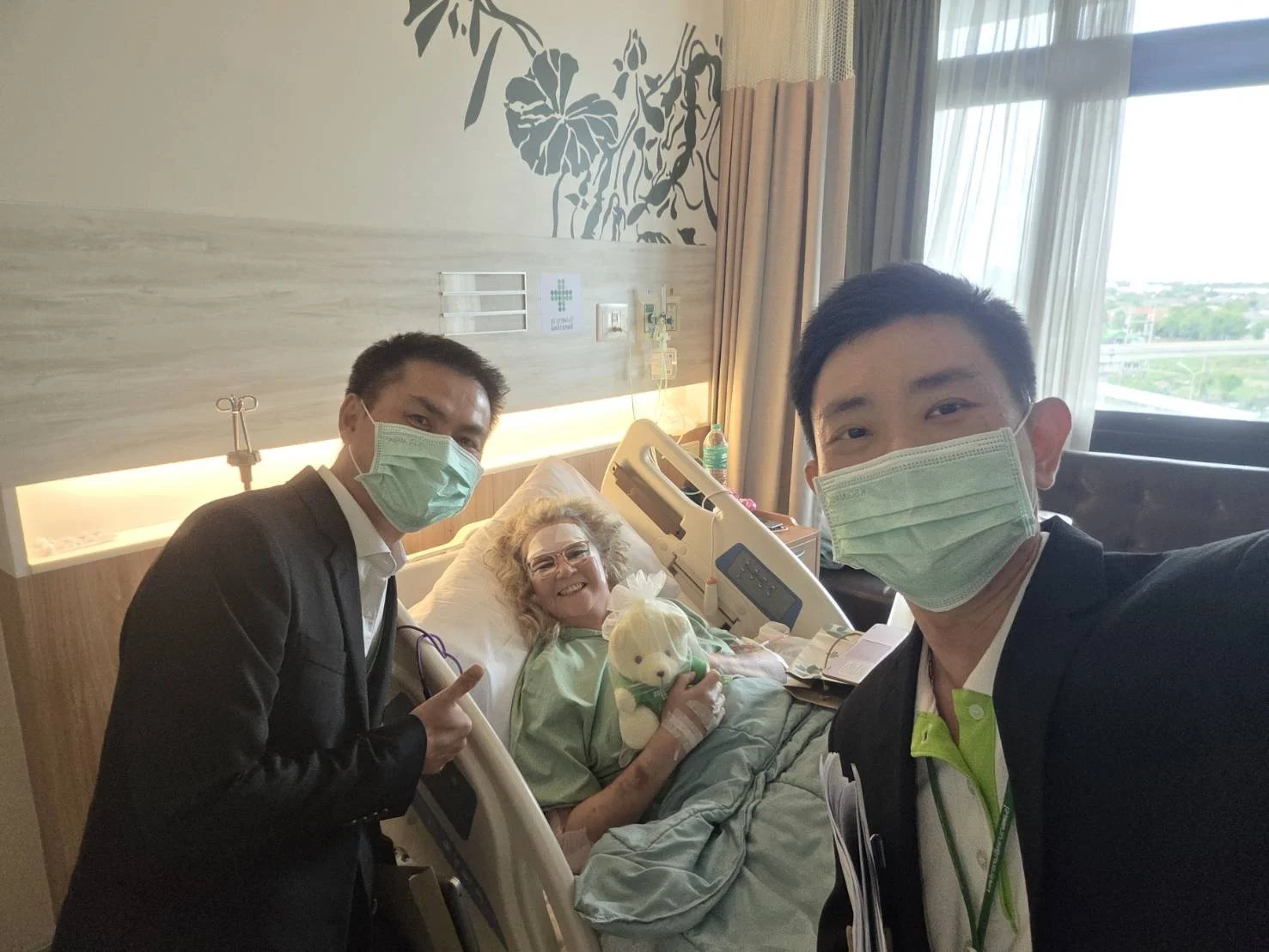
Day 0: Arrival & Pre-Op: Private airport transfer, hospital check-in, and comprehensive health screening (Blood tests/EKG).
Day 1: Surgery Day: Procedures performed at Intrarat Hospital under general anaesthesia.
Day 2–10: Acute Phase: Inpatient hospital care. For major body work, this full 10-night stay (as seen in the Nadine protocol) provides 24/7 nursing and drain management.
Day 5–9 (Face/Mid-Body): Transition to nurse-supervised service apartments for those cleared earlier.
Recovery Enhancements: Inclusion of IV Drip sessions (Day 5), Hair Wash services, and Proton/Red Light Therapy to accelerate tissue repair.
Day 12–14: Refinement & Discharge: Suture removal, final review by Dr. Dominic, and provision of the home-going care kit.
Advanced Recovery Modalities:
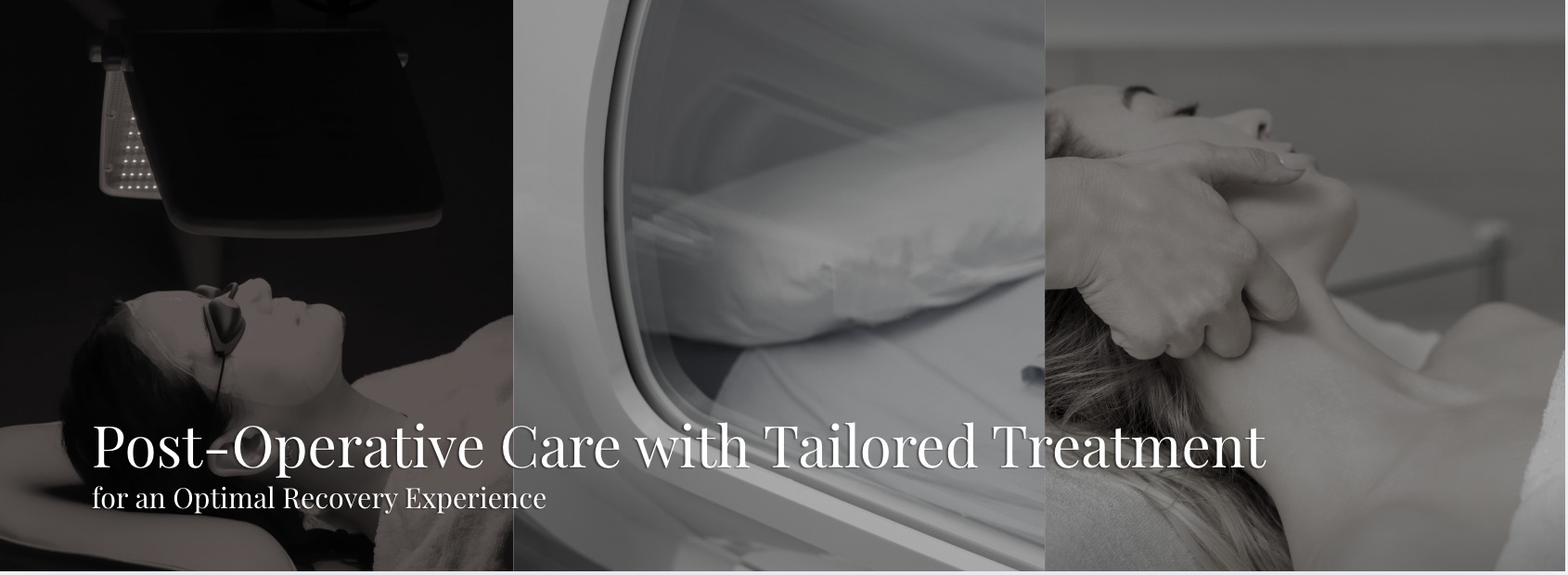
Proton & Red Light Therapy: Used specifically to reduce post-surgical inflammation and stimulate cellular healing.
Lymphatic Recovery: Specialized techniques to manage swelling and improve circulation, reducing overall downtime.
5. Long-Term Risk Mitigation and Australian-Standard Protocols
Med Sanctuary distinguishes itself through a rigorous "Australian-Standard" screening and a transparent revision policy that prioritizes long-term patient advocacy.

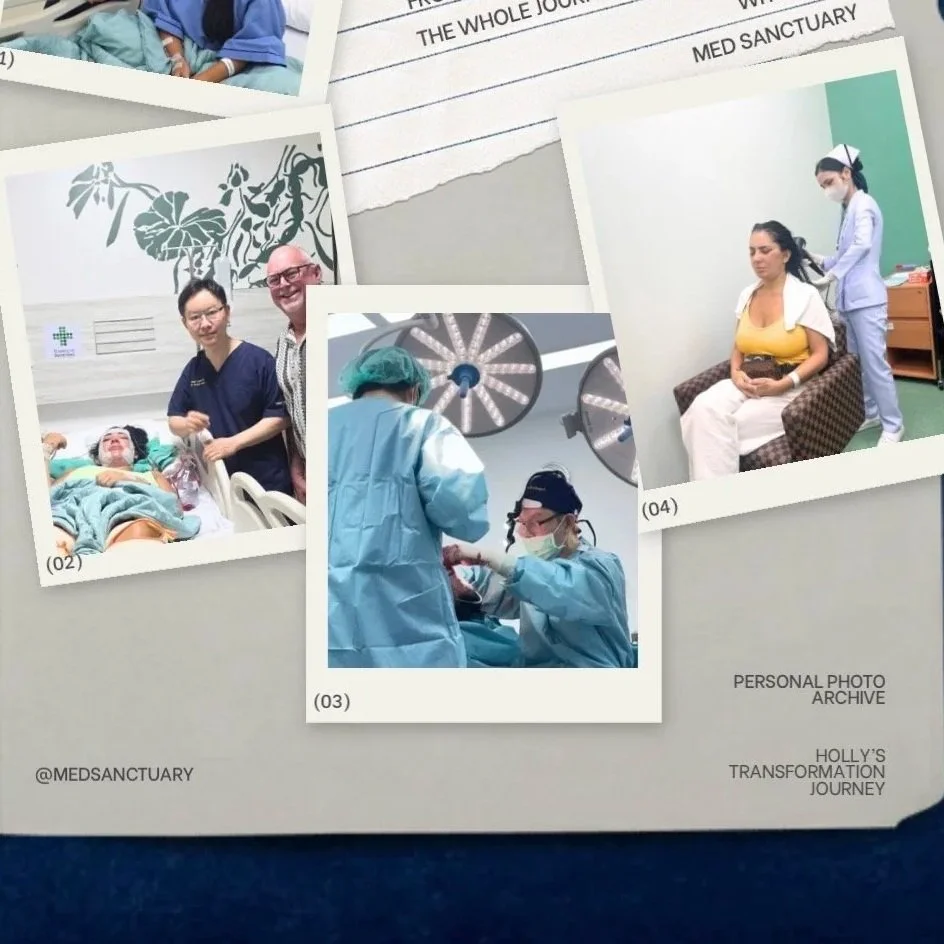
The Revision & Aftercare Policy We provide a 1-year follow-up program managed by our medical team. In the rare event of a clinical complication, the "Never on Your Own" policy is clear: Med Sanctuary and Dr. Dominic assume responsibility for all medical, surgical, and post-operative costs. Under these transparent terms, the patient is responsible only for their travel costs and airfares.
Rigorous Pre-Operative Screening To mirror Australian safety standards, patients undergo an intensive screening process to identify potential clinical flags:
GLP-1 Medication Management: Mandatory cessation of medications like Ozempic or Wegovy (frequently used for weight loss or lipoedema) to ensure anaesthetic safety.
Cardiac & Oncology Review: Specific clearance is required for patients with a history of SVT Ablation (cardiac) or Breast Cancer.
Specialized Assessments: Rigorous review for patients with lipoedema or significant weight loss to tailor surgical staging and inpatient durations.
Standardized Labs: Full lipid, liver function, and haematology panels must be cleared by the surgical team before arrival.

Med Sanctuary remains the premier choice for Australians because we treat offshore surgery not as a transaction, but as a high-value clinical journey. By combining the "Expert hand" of Dr. Dominic with a "Never on Your Own" support structure, we provide a safe, world-class alternative to the domestic healthcare gap.
